Germany's wine country has gained more international recognition after Schloss Johannisberg, a renowned estate in the Rheingau region, was named the world's top vineyard in the 2026 The 50 Best Vineyards ranking, organized by British media company William Reed.
German vineyard Schloss Johannisberg tops global ranking in 2026
The Rheingau estate leads a list selected by more than 700 wine and travel experts, highlighting Germany's 13 wine-growing regions and their appeal to visitors
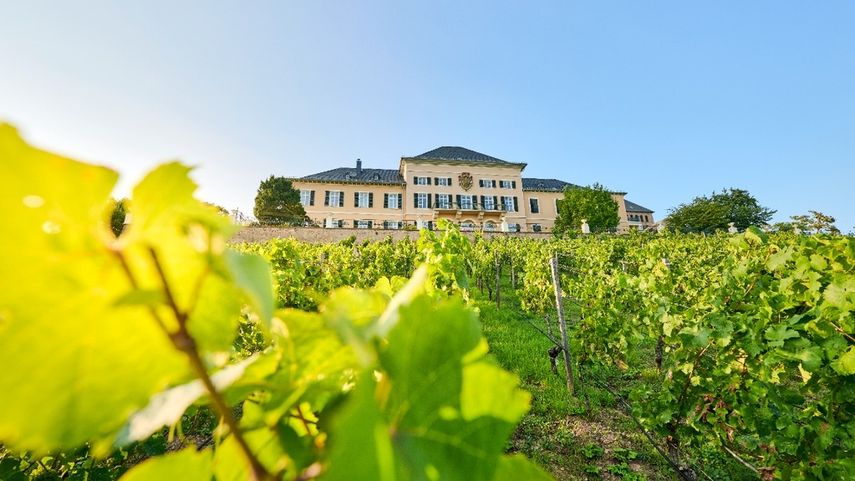
Viñedo Schloss Johannisberg, Alemania.
JENS WEGENER / GERMANY TRAVEL GNTBThe ranking, which draws on votes from more than 700 international wine and travel experts, recognizes the overall visitor experience rather than the quality of individual wines. The distinction therefore reflects the appeal of vineyard visits, including their historical, cultural and scenic surroundings.
Located in the Rheingau, Schloss Johannisberg is particularly associated with Riesling and is considered one of Germany's historic wine estates.
The recognition also brings attention to a country whose viticultural heritage extends across 13 distinct wine-growing regions, each shaped by its own landscape, traditions and local cuisine.
Along the Mosel, vineyards occupy steep slopes overlooking the river and its historic towns. The Rheingau, meanwhile, combines established wine estates with views of the Rhine Valley, while the Pfalz is known for its wine routes and villages.
In Baden, vineyards meet the landscapes of the Black Forest, and Franconia maintains a distinctive wine culture linked to regional specialties. The Ahr has developed a reputation for Spätburgunder, or Pinot Noir, while Rheinhessen, the Nahe, Mittelrhein and Württemberg offer further expressions of Germany's varied wine traditions.
The country's wine-growing areas also extend into eastern Germany, where Saxony and Saale-Unstrut represent less familiar destinations for international visitors. The Hessische Bergstraße completes the country's collection of 13 wine regions.
Beyond wine tasting
Vineyard tourism in Germany extends beyond cellar visits and wine tastings. Travelers can explore walking trails through vineyard landscapes, cycle along river valleys, attend traditional wine festivals and sample regional dishes.
The combination of wine, gastronomy and cultural heritage is also a focus of the German National Tourist Board's 2026 global campaign, Culinary Germany, which highlights the country's food traditions and the people behind them.
The 2026 ranking places Schloss Johannisberg at the forefront of this international interest, while underscoring the diversity of Germany's wine destinations.
More information about the country's wine-growing regions is available here through the German National Tourist Board.
NULL
Temas
Deja tu comentario
Te puede interesar
ÚLTIMA HORA
Por
JORGE FERNÁNDEZ Avión de FedEx se sale de la pista y cierran Aeropuerto Internacional de Miami
La FCC autoriza a SpaceX a crear centros de datos espaciales
JUICIO
Por
Valeria Montero 30 minutos, el tiempo que tendrán en total los abogados de Maduro y Flores para alegar inmunidad
SUCESOS
Por
JORGE FERNÁNDEZ Al menos 30 muertos y 25 heridos tras incendio de un camión cisterna en Egipto
ELECCIONES
Por
Jorge Ignacio Pérez