San Juan, Puerto Rico's capital, brings together more than 500 years of Spanish colonial history, Caribbean culture, beaches, and a contemporary hospitality scene. From the cobblestone streets of Old San Juan to the oceanfronts of Condado and Isla Verde, the city offers a variety of experiences within a relatively compact metropolitan area.
San Juan: History, beaches and the flavors of Puerto Rico
From the cobblestone streets of Old San Juan to the oceanfronts of Condado and Isla Verde, the city offers a variety of experiences within a relatively compact metropolitan area
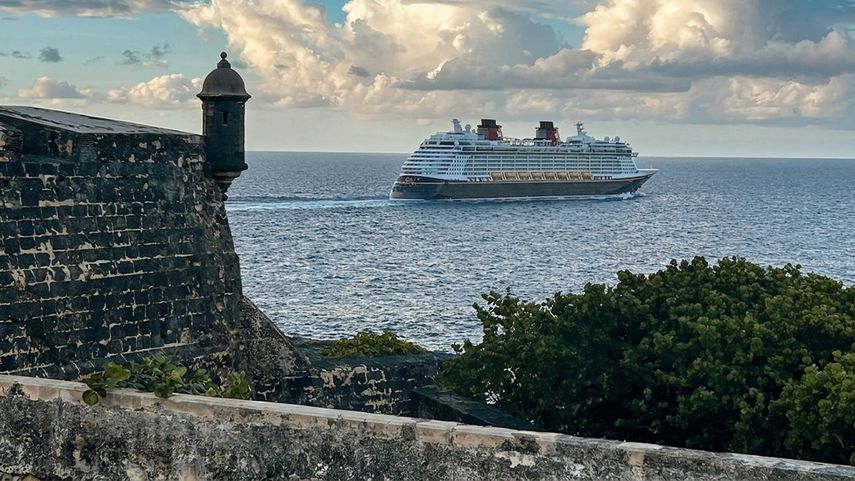
San Juan, Puerto Rico.
Located on Puerto Rico's northern coast, San Juan is easily accessible from the U.S. mainland, making it a convenient Caribbean destination for travelers. t was here that the Hilton hotel chain introduced its first hotel outside the continental United States, the Caribe Hilton, which opened in 1949. Today, renovated and expanded, the property holds a distinctive position that its competitors cannot replicate.
Old San Juan
With its cobblestone streets, pastel-colored colonial facades, wrought-iron balconies, and open public squares, Old San Juan preserves the architectural legacy of Spanish rule while remaining an active part of the city's daily life.
Narrow, sometimes steep streets wind past centuries-old townhouses with heavy wooden doors and balconies overlooking the sidewalks. Cafes, restaurants, galleries, and bars bring activity to the historic district, where music and the sounds of everyday life mingle with the Atlantic breeze.
At the northern tip of Old San Juan, Castillo San Felipe del Morro, commonly known as El Morro, overlooks the entrance to San Juan Bay. Construction of the fortification began in 1539, and its strategic position made it a central element of Spain's coastal defense system in the area.
Further east, Castillo San Cristóbal was developed to protect the city against land-based attacks. Its construction began in 1634, with major expansions taking place between 1765 and 1790.
Together with the historic city walls and La Fortaleza, these fortifications form part of the UNESCO World Heritage designation associated with Old San Juan and the San Juan National Historic Site.
Condado
A few minutes east of Old San Juan, Condado presents a different face of the capital. Its architecture, hotels, restaurants, and commercial avenues reflect the city's development as a modern Caribbean resort destination.
Ashford Avenue serves as the neighborhood's main thoroughfare, lined with palm trees, cafes, restaurants, luxury boutiques, casinos, and high-rise buildings. Many properties face the Atlantic Ocean, offering direct access to the beach and views of the coastline.
Condado combines urban activity with beachfront recreation, making it one of the city's principal entertainment districts.
Isla Verde
East of Condado, Isla Verde is known for its broad stretches of sand, oceanfront hotels, residential towers, and water-sports activities.
The neighborhood's beaches attract visitors interested in swimming, sunbathing, jet skiing, parasailing, and other recreational activities. Conditions vary along the coastline, with some sections more exposed to Atlantic waves than others.
Near Pine Grove, the eastern end of the beach also attracts surfers, adding another dimension to the area's coastal appeal.
Piñones
Beyond Isla Verde, the coastal area of Piñones offers a different perspective on Puerto Rican life. Located in the neighboring municipality of Loíza, this Afro-Puerto Rican community is known for its cultural traditions, mangrove forests, coastal landscapes, and roadside food kiosks.
The area is particularly lively on weekends, when families and visitors gather for beach outings, cycling, music, and chinchorreo, the local tradition of moving from one food kiosk to another.
Traditional fried specialties, including alcapurrias and bacalaítos, are among the foods commonly found at the roadside establishments.
Piñones is not a conventional resort district. Its appeal lies in its local atmosphere, culinary traditions, and strong connection to Puerto Rico's African heritage.
Santurce
South of Condado, Santurce has developed into one of San Juan's principal centers for contemporary art, entertainment, and urban culture.
The neighborhood combines residential streets and working-class roots with galleries, independent creative spaces, restaurants, music venues, and large-scale murals.
Calle Cerra and its surrounding streets are particularly associated with street art and cultural initiatives. The area also offers opportunities to explore Puerto Rican gastronomy and nightlife, including venues where salsa and other Caribbean rhythms remain part of the social scene.
Enjoy the video recap about San Juan we have included here.
Gastronomy
Puerto Rican cuisine, known as cocina criolla, reflects the island's Spanish, Indigenous Taíno, and African heritage. Its culinary traditions combine ingredients, techniques, and flavors developed through centuries of cultural exchange.
One of the foundations of local cooking is sofrito, an aromatic preparation generally made with herbs, peppers, garlic, and onions. It provides the flavor base for many traditional rice dishes, stews, beans, and meat preparations.
Among the island's best-known specialties is mofongo, made with green plantains that are fried and mashed in a wooden mortar with garlic, oil, and crispy pork cracklings. The mixture is shaped into a mound and served either as a side dish or filled or accompanied with garlic shrimp, braised beef, or stewed chicken.
Other traditional preparations, including arroz con gandules, lechón asado, and pasteles, offer further insight into the island's culinary identity.
Accommodation: Caribe Hilton
While boutique hotels and contemporary luxury properties have reshaped San Juan's hospitality landscape, Caribe Hilton occupies a distinctive place in the city's tourism history that competitors cannot replicate.
Located on a 17-acre peninsula between Old San Juan and Condado, the resort opened in December 1949 as the first Hilton hotel outside the continental United States. Its arrival marked an important chapter in the development of Puerto Rico's modern tourism industry.
Today, the property combines its mid-century architectural heritage with renovated accommodations, tropical gardens, swimming pools, restaurants, and a sheltered beachfront cove.
Its history is also closely connected to one of Puerto Rico's most recognizable culinary symbols. Even local authorities recognize this is the birthplace of the Piña Colada.
In 1954, bartender Ramón "Monchito" Marrero created the Piña Colada at the hotel's former Beachcomber Bar, now known as Caribar. The cocktail became the official drink of Puerto Rico in 1978.
The hotel also features a Legacy Museum in its lobby, presenting historical material about the property and its place in Puerto Rico's hospitality history.
The 652-room resort is organized into three principal wings. The original Beach Wing offers direct access to the beach and swimming pools, while the Garden Wing overlooks the property's tropical landscaping. The newer and taller Wave Wing provides views of either the Atlantic Ocean or the Condado shoreline.
Facilities include swimming pools, hot tubs, a hammock garden, outdoor tennis courts, and a full-service oceanfront spa and salon.
Dining options range from casual refreshments to full-service restaurants. Caribar serves cocktails and small plates, while Néctar del Caribe offers breakfast. Other venues include Rustica Ristorante for Italian cuisine, Lola's for Puerto Rican specialties, Morton's The Steakhouse, Ocean Restaurant, Ice Cream & Cookies, and Starbucks.
How to get there
San Juan is served by Luis Muñoz Marín International Airport (SJU), with nonstop flights connecting the capital to Miami and other major U.S. cities, as well as international destinations.
For U.S. citizens traveling from the mainland United States, a passport is not required. However, travelers flying domestically must present a REAL ID-compliant driver's license or another identification document accepted by the Transportation Security Administration.
International visitors must comply with U.S. entry requirements applicable to their nationality, including passport and visa or ESTA requirements, where applicable.
San Juan is also a major port of call and departure point for Caribbean cruise itineraries.
Language
Spanish is the principal language of Puerto Rico, while English is widely used in hotels, restaurants, tourist attractions, and businesses serving international visitors.
Currency
The U.S. dollar is the official currency, eliminating the need for currency exchange for travelers arriving from the mainland United States.
Credit and debit cards are widely accepted, and ATMs are readily available throughout the metropolitan area.
Getting around
A rental car is not essential for exploring the principal tourist districts of San Juan.
Old San Juan is best discovered on foot, allowing visitors to explore its historic streets, plazas, museums, and fortifications at their own pace. Uber and other transportation services connect the airport, cruise terminals, San Juan, Condado, Santurce, Isla Verde, and even Piñones.
If you rather ride a bus to Piñones, you can take route number 45 at station Sagrado Corazon.
For excursions beyond the metropolitan area, renting a car can provide greater flexibility.
Best time to visit
December through April generally offers some of the most favorable weather conditions, with warm temperatures and relatively lower rainfall. This period also coincides with the high tourist season and several cultural celebrations.
May through August brings warmer temperatures and opportunities for beach activities, although humidity and rainfall increase.
September through November is generally a quieter travel period, but it also falls within the Atlantic hurricane season, which officially runs from June 1 through November 30. Travelers visiting during these months should monitor weather forecasts and consider flexible travel arrangements.
NULL
Temas
Deja tu comentario
Te puede interesar
Negociaciones
Por
Olgalinda Pimentel Situación de los presos políticos en Venezuela complica el diálogo chavismo-oposición
CUBA
Por
IVÁN GARCÍA Arrecia la crisis del agua: "Hago mis necesidades en la calle, vivimos como animales"
POLÍTICA
Por
Sofía Nederr ¿Qué tan factible es una reforma migratoria bajo la administración Trump?
COLOMBIA
Por
ANDREINA PÉREZ y María Graterol
Viuda de Miguel Uribe Turbay responsabiliza a Gustavo Petro del asesinato de su esposo
Seguridad Nacional
Por
ANDREINA PÉREZ