We have heard of Valencia, Spain's third-largest city, which combines centuries of maritime history with contemporary architecture, a lively cultural scene, and a strong culinary identity. Located on the country's eastern Mediterranean coast, it offers a different perspective on Spanish urban life, where historic neighborhoods, modern developments, and coastal communities coexist.
Valencia: Spain's Mediterranean city of history, architecture, and gastronomy
From its medieval heritage and futuristic architecture to its culinary traditions and urban beaches, Valencia offers a distinctive blend of Spanish culture and coastal life
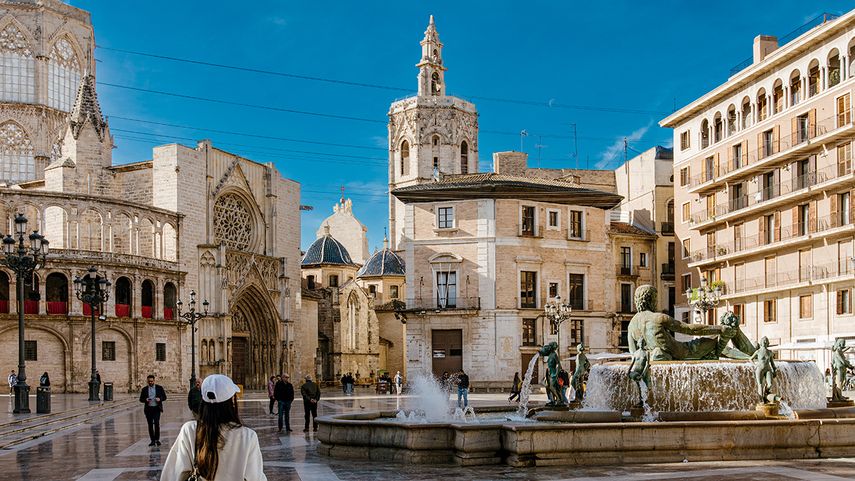
Plaza de la Virgen, Valencia, España.
David Rota / VisitValenciaReaching the city from the United States is also becoming easier. United Airlines plans to launch nonstop flights between Newark and Valencia on June 2, 2027, adding a direct connection between the New York metropolitan area and Spain's Mediterranean coast.
Travelers can also fly nonstop from major U.S. gateways, including Miami, New York and Chicago, to Madrid or Barcelona, then continue by high-speed train to Valencia. Both cities offer rail connections, although travel times vary depending on the service and departure station.
Cultural and architectural highlights
We look at the VisitValencia website and notice that Valencia's architectural landscape reflects different stages of its history, from medieval commercial prosperity to ambitious contemporary design.
The City of Arts and Sciences
Designed by Spanish architect Santiago Calatrava, this extensive cultural and scientific complex occupies part of the former Turia River bed. Its futuristic white structures house several major attractions, including the Oceanografic, Europe's largest aquarium, the Principe Felipe Science Museum, an opera house and a planetarium.
The complex has become one of the city's most recognizable architectural landmarks.
The Silk Exchange
La Lonja de la Seda, or Silk Exchange, is a masterpiece of late Gothic architecture and a UNESCO World Heritage site. Built during Valencia's commercial expansion in the 15th century, it reflects the city's importance as a European trading center. Its imposing columns, vaulted ceilings and elaborate stonework provide a glimpse into the wealth and influence of that period.
The Historic Center and Cathedral
Valencia's old town is characterized by narrow streets, historic squares and buildings that reflect its long cultural history. The El Carmen neighborhood, with its medieval layout, is among its most distinctive areas. The Serranos and Quart towers, once part of the city's defensive walls, remain important reminders of its fortified past.
The Valencia Cathedral is another central landmark. Among its claims to fame is the Holy Chalice preserved in one of its chapels, which the Catholic Church recognizes as a possible relic of the Last Supper.
Gastronomy
Valencia's cuisine is closely connected to the agricultural landscape surrounding the city, particularly the rice fields and coastal wetlands of the nearby Albufera Natural Park.
Paella Valenciana originated in this region and remains one of Spain's best-known traditional dishes. The original recipe is prepared with locally grown round-grain rice, chicken, rabbit, green beans, large white garrofo beans and saffron. Traditionally cooked over an open fire, it differs considerably from the seafood versions commonly served in other parts of Spain. For Valencians, paella is primarily a midday meal, often enjoyed over a leisurely lunch.
The Mercado Central, housed in an impressive modernist building with ironwork, stained glass and decorative domes, is one of Europe's major fresh-food markets. Hundreds of stalls offer Mediterranean seafood, meats, fruits, vegetables and regional specialties, making it an important part of the city's everyday food culture.
Another local specialty is horchata, a refreshing drink made from chufas, or tiger nuts, cultivated in the surrounding region. It is traditionally served with fartons, elongated, soft pastries designed for dipping.
Valencia's cocktail culture also includes Agua de Valencia, a mixture of freshly squeezed orange juice, cava, gin and vodka. The drink reflects the region's long association with orange cultivation.
Urban parks and coastal life
Valencia's relationship with its natural surroundings is evident in its extensive green spaces and Mediterranean waterfront.
Following a devastating flood in 1957, authorities redirected the Turia River away from the city center. The former riverbed was subsequently transformed into the Turia Gardens, a landscaped urban park extending for approximately nine kilometers. Today, it provides space for walking, cycling, running and outdoor recreation, connecting different parts of the city, including the historic center and the City of Arts and Sciences.
Along the Mediterranean coast, beaches such as La Malvarrosa and Las Arenas attract residents and visitors throughout the year. Their broad stretches of sand are accompanied by a waterfront promenade lined with restaurants specializing in seafood and traditional rice dishes.
Nearby, El Cabanyal preserves the character of Valencia's former fishing community. Its streets are distinguished by traditional houses decorated with colorful ceramic tiles, reflecting the neighborhood's maritime heritage and distinctive architectural identity.
Aditional information
Culture & craftsmanship
- Hortensia Herrero Art Centre: Exclusive private tour of its contemporary art collection. Website
- Private Guided Tours of Valencia: Tailor-made tours exploring the city's architecture, history, and heritage with Boris from Guiding Architects (info@ga-valencia.es) or José Ferri from Valencia Guías (jose@valenciaguias.com).
- Palau de les Arts: Private guided tour exploring the architecture and unique spaces of this iconic performing arts venue. Website
- Fallas Artisan Workshop: Firsthand experience creating a traditional ninot figure and discovering the craftsmanship behind Valencia's famous Fallas festival. Contact
- Ceramics Workshop: Create your own handcrafted ceramic piece using a potter's wheel. Website
- Traditional Valencian Crafts: Experiences featuring silk painting, handmade fans, and traditional artisan techniques. Information
- Valencia Highlights: Private tour covering the historic city Centre, the City of Arts and Sciences, and the Marina. Contact
- Valencia Bike Tour: Private cycling tour exploring the city's main attractions. Contact
Sports & nautical experiences
- Roig Arena: Live performances and concerts with exclusive VIP and hospitality services. Website
- Private Roig Arena Tour: Exclusive behind-the-scenes tour of the dressing rooms, main court, and premium areas. Contact
- Roig Arena Experience: Private tour combined with networking opportunities and tailored talks for groups. Contact
- Valencia Basket: Enjoy basketball games from private suites, the Bunker area or VIP courtside seats, with premium hospitality services. Website
- Valencia Basket – Game Day Experience: Exclusive access to selected areas, pre-game warm-ups, and opportunities to meet the players. Website
- Levante UD: Experience a football match from a VIP box or with exclusive hospitality services. Website
- Valencia CF: Private tour of Mestalla Stadium or matchday experiences with premium hospitality. Website
- Golf at El Saler: Golf clinic at one of the Mediterranean's most renowned golf courses. Website
- Golf at El Bosque: Enjoy a round of golf in a beautiful Mediterranean natural setting. Website
- Padel at Sportcity Valencia: Personalized padel lessons and sporting experiences. Website
- Circuit Ricardo Tormo: Private VIP suite rental for corporate groups during motorsport events. Website
- Private Sailing Experience: Explore the Valencian coastline aboard a private skippered sailboat. Website
- Nautical Experiences: Jet skiing, private boat charters, and boating experiences with or without a license. Alfa Náutica
Gastronomy & wine experiences
- Villa Indiano: Traditional paella cooking demonstration in a setting surrounded by Valencia's historic agricultural landscape. Website
- Fine Dining Restaurants: Lunch or dinner at Michelin-starred restaurants and exceptional chef-driven dining establishments. Restaurant Selection
- Central Market with Chef Bernd Knöller: Guided culinary tour of one of Europe's most iconic food markets. Website
- My First Paella: Firsthand cooking workshop to learn how to prepare authentic Valencian paella. Website
- Valencia Club Cocina: Market visit, paella cooking workshop, and Valencian wine tasting. Contact
- Valencia's Traditional Farmland Experience: Visit local farms and learn to prepare authentic wood-fired paella. Contact
- Barraca de Toni Montoliu: Authentic rural experience combining traditional Valencian cuisine and local culture. Website
- Restaurante Bon Aire, El Palmar: Traditional boat trip, rice field visit, and authentic Valencian lunch. Website
- Albufera & Paella Showcooking: Private experience combining the natural beauty of Albufera with traditional Valencian cuisine. Contact
- Traditional Valencian Esmorzaret Tour: Discover Valencia's much-loved mid-morning meal tradition, including local specialties such as cassalla and cremaet, guided by Paco Alonso or my colleague Desiree Stenderup.
- Casa Montaña: Lunch, dinner or vermouth tasting at a historic wine tavern in the Cabanyal neighborhood. Website
- Sorolla Gastronomic Experience – Veles e Vents: Special tasting menu inspired by the works of Valencian painter Joaquín Sorolla. Veles e Vents
- La Marítima – Veles e Vents: Mediterranean dining experience overlooking the sea. Veles e Vents
- The Westin Valencia: Paella cooking workshop with the hotel's chef in its beautiful garden. Contact
- Wine Tourism with Valeria Valdebenito: Tailor-made winery tours and personalized experiences exploring Valencian wines. Website
- Bodegas Nodus – Interactive Wine Tasting: Guided winery tour featuring tastings of local wines and vermouths. Utiel-Requena Wine Route
- Bodegas Nodus – From Vineyard to Glass: Discover the winemaking process, followed by a wine tasting and traditional Valencian lunch. Utiel-Requena Wine Route
- Bodegas Nodus – Barrels & Flavors: Winery visit, wine tasting and gourmet menu featuring local produce. Utiel-Requena Wine Route
- Bodegas Nodus – Flavors & Vineyards: Wine tasting paired with a traditional Valencian puchero stew. Utiel-Requena Wine Route
- Bodegas Nodus – Vineyard Retreat: Relaxing stay among the vineyards, combining local gastronomy with a winery tour. Utiel-Requena Wine Route
Nature & local traditions
- Albufera Natural Park: Traditional boat ride through the lagoon's rice-growing landscape, with the opportunity to enjoy a spectacular sunset over the water. Information
- Valencia's Historic Farmland (L'Horta): Guided visit exploring traditional crops and the centuries-old irrigation canal system. Contact
- The Horchata Tradition: Discover how tiger nuts are grown and how authentic Valencian horchata is made. Information
Shopping & exclusive experiences
- Vicente Gracia – The Poet of Jewelry: Private visit to the renowned jewelry designer's workshop to discover his creative process. Website
- Luxury Shopping: Personalized shopping experiences featuring prestigious international brands and department stores such as El Corte Inglés. Website
- Valencian Design & Craftsmanship: Curated visits to boutiques, artisan workshops and local businesses specializing in jewelry, fashion, ceramics, and design. Information
Wellness & relaxation
- Wellness El Jardí – The Westin Valencia: Spa circuit, massages, and personalized wellness treatments. The Westin Valencia
- Wellness El Jardí – Experience for Two: Spa circuit and relaxing wellness ritual designed for couples. The Westin Valencia
- Wellness El Jardí – Orange Blossom & Jasmine Ritual: Facial treatment and body massage inspired by Mediterranean fragrances. The Westin Valencia
- Hotel Las Arenas Balneario Resort: Luxury beachfront stay featuring spa treatments, massages, and a gourmet tasting dinner. Website
NULL
Deja tu comentario
Te puede interesar
AMENAZAS DE IRáN
Por
Leonardo Morales Secretario del Tesoro de EEUU bajo la amenaza terrorista de Irán
PROTECCIÓN TEMPORAL
Por
CÉSAR MENÉNDEZ Daniella Levine Cava pide al Congreso restablecer el TPS para cuatro países
TIEMPO VARIABLE
Por
Daniel Castropé ¿Cuándo llega un frente frío al sur de Florida? El descenso de temperatura se sentirá pronto
ISRAEL
Por
Julián Varela Netanyahu: "Cese de ayuda militar de EEUU fue acordada con Trump"
FLORIDA
Por
JESÚS HERNÁNDEZ