En los últimos años, los líderes mundiales han aprovechado las ocasiones bilaterales y multilaterales - incluyendo las reuniones del G7, la UE, la OTAN y la ASEAN - para destacar la importancia de mantener la paz y la estabilidad en el Estrecho de Taiwán. Sin embargo, a pesar de ser conscientes de la importancia de reducir las tensiones en la región, las Naciones Unidas (ONU) aún no han tomado medidas para abordar los desafíos planteados por la República Popular de China o para incorporar a Taiwán al sistema de la ONU. A medida que han surgido en la comunidad mundial nuevos avances para comprometerse con Taiwán, que están produciendo enormes beneficios globales, la idea de que se debe optar entre la República Popular de China y Taiwán en el sistema de la ONU es una falsa dicotomía. Ahora es el momento adecuado para que la ONU evolucione y reconsidere sus políticas injustificadas que excluyen a Taiwán.
La primera y más urgente tarea que debe abordar la ONU es dejar de sucumbir a la presión de la República Popular de China y abstenerse de distorsionar aún más la Resolución 2758 de la Asamblea General de la ONU adoptada en 1971. Al tergiversar deliberadamente la Resolución 2758 y confundirla falsamente con su propio “principio de una sola China”, que difiere de la “política de una sola China” adoptada por muchos países, la República Popular de China ha suprimido implacablemente el derecho legítimo de Taiwán a participar significativamente en la ONU y sus agencias especializadas.
Esta tergiversación tiene consecuencias de largo alcance que van más allá de negar a los ciudadanos y periodistas taiwaneses el acceso a las instalaciones de la ONU y de impedirles visitarlas, asistir a reuniones y participar en la recopilación de noticias. De hecho, la táctica de Pekín de utilizar la Resolución 2758 como arma para difundir la falacia de que Taiwán es parte de la República Popular de China es una de las claves de una campaña más amplia para establecer la base legal para justificar una futura invasión armada a Taiwán. Sin embargo, contrariamente a las falsas reclamaciones de la República Popular de China, la Resolución 2758 simplemente aborda la cuestión de la representación de China en la ONU. No menciona a Taiwán. No afirma que Taiwán sea parte de la República Popular de China ni atribuye a la República Popular de China ningún derecho a representar a Taiwán en el sistema de la ONU. En otras palabras, la resolución no tiene nada que ver con Taiwán.
Este caso es ilustrativo de la creciente asertividad de la República Popular de China para imponer su voluntad en el escenario internacional. Y si no se cuestionan ni se corrigen, las falsas reclamaciones de Pekín no sólo alterarán el statu quo en el Estrecho de Taiwán, sino que también pondrán en peligro la paz y la estabilidad en el Indo-Pacífico y amenazarán el orden internacional basado en reglas.
Afortunadamente, en los últimos meses varios altos funcionarios estadounidenses han criticado la distorsión de la República Popular de China sobre la Resolución 2758 para justificar su espuria reclamación sobre Taiwán. Además, el 30 de julio, la Alianza Interparlamentaria sobre China, una organización internacional que comprende a más de 250 parlamentarios de 38 países y la UE, demostró su apoyo concreto a Taiwán al aprobar una resolución modelo sobre la Resolución 2758. Para mantener la paz y la seguridad internacionales como estipula la Carta de las Naciones Unidas, la ONU debe retroceder y alentar una interpretación correcta de la Resolución 2758, y explorar medidas para resistir las ambiciones agresivas de la República Popular de China.
El expansionismo de la República Popular de China no se detendrá en Taiwán. Las recientes regulaciones introducidas por la Guardia Costera de China son parte de una táctica más amplia de zona gris diseñada para reforzar las engañosas reclamaciones territoriales de la República Popular de China y expandir su influencia. Al introducir reglas que justifican el abordaje y la detención de buques y permiten a las personas ingresar a áreas marítimas en disputa, Pekín pretende hacer valer su control sobre aguas internacionales y desafiar las normas y reclamaciones globales. Para garantizar la paz mundial y la estabilidad económica, las Naciones Unidas y la comunidad internacional no solo deben reafirmar sus preocupaciones sobre la conducta coercitiva de Pekín, sino también trabajar conjuntamente para prevenir sus planes ilegales.
La historia ha demostrado que la determinación democrática debe demostrarse con antelación, antes de que sea demasiado tarde. Como principal foro mundial de cooperación internacional, el sistema de las Naciones Unidas está en una posición ideal para abordar los desafíos de seguridad regional y apoyar la estabilidad económica mundial. La próxima 79ª Asamblea General de las Naciones Unidas y su Cumbre del Futuro representan una oportunidad apropiada para abordar las principales preocupaciones de seguridad mientras avanzamos hacia objetivos más amplios del desarrollo sostenible mundial y construir una comunidad global más resiliente para las generaciones actuales y futuras.
Durante muchas décadas, Taiwán ha demostrado ser un socio responsable y confiable. Más recientemente, también hemos hecho contribuciones significativas a los Objetivos de Desarrollo Sostenible de las Naciones Unidas. Aceptar la participación significativa de Taiwán en el sistema de las Naciones Unidas sería sin duda la mejor opción de la ONU para mitigar cualquier posible crisis regional, mantener la paz y la estabilidad en el Estrecho de Taiwán y estimular la prosperidad mundial.
De cara al futuro, Taiwán seguirá desempeñando su papel. Trabajando con los países de ideas afines para mantener cadenas de suministro globales saludables y resilientes - en particular en la industria de semiconductores - Taiwán está decidido a ayudar a impulsar el mundo hacia adelante durante muchas décadas más.
Para un mundo más seguro y mejor, el sistema de las Naciones Unidas necesita incluir a Taiwán.
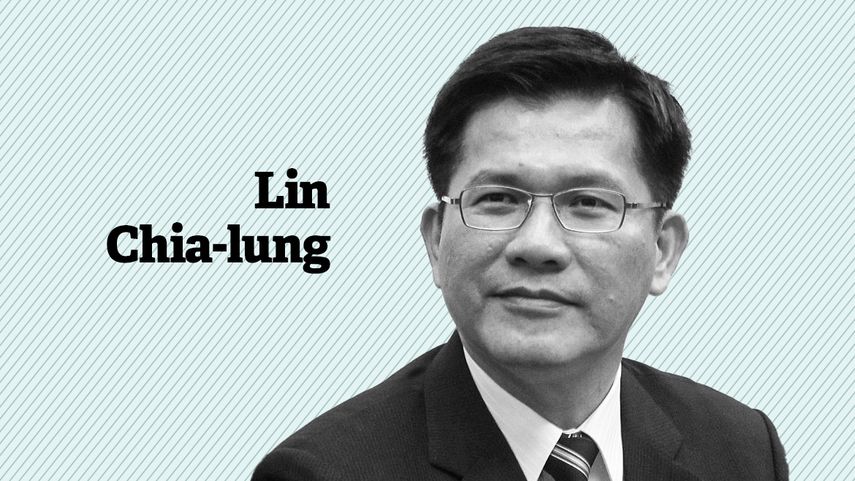
Lin Chia-lung
Ministro de Asuntos Exteriores
República de China (Taiwán)
______
To secure peace in the Indo-Pacific, include Taiwan in the UN system
Taiwan is an indispensable partner in global supply chains, producing more than 90 percent of the world’s high-end semiconductors and a significant portion of the advanced chips that are driving the AI revolution. Moreover, half of the world’s seaborne trade passes through the Taiwan Strait, making it a key international waterway. Yet even though large parts of the world—and billions of people—have enjoyed great prosperity thanks to the peace and stability that prevails across the strait, China continues to intensify its aggressive actions against Taiwan. Beijing’s attempts to change the status quo across the Taiwan Strait and expand authoritarianism throughout the Indo-Pacific region are a profound threat to peace and security all around the world.
In recent years, global leaders have used both bilateral and multilateral occasions—including G7, EU, NATO, and ASEAN meetings—to highlight the importance of maintaining peace and stability across the Taiwan Strait. However, despite being aware of the importance of reducing tensions in the region, the United Nations (UN) has yet to take action to address the challenges posed by the PRC or to incorporate Taiwan in the UN system. As new approaches to engaging with Taiwan have emerged in the global community, yielding huge global benefits, the idea that there must be a choice between the PRC and Taiwan in the UN system is a false dichotomy. Now is the right time for the UN to evolve and to rethink its unjustified policies that exclude Taiwan.
The first and most urgent task that the UN must address is to stop succumbing to the PRC’s pressure and refrains from distorting UN General Assembly (UNGA) Resolution 2758 adopted in 1971 any further. By willfully misrepresenting Resolution 2758 and falsely conflating it with its own “one China principle,” which differs from the “one China policy” adopted by many countries, the PRC has relentlessly suppressed Taiwan’s legitimate right to meaningfully participate in the UN and its specialized agencies.
This misrepresentation has far-reaching consequences beyond denying Taiwanese citizens and journalists access to UN premises and preventing them from visiting, attending meetings, and engaging in newsgathering. In fact, Beijing’s tactic of weaponizing Resolution 2758 to spread the fallacy that Taiwan is part of the PRC is one of the key elements in a wider campaign to establish the legal basis for justifying a future armed invasion of Taiwan. Yet, contrary to the PRC’s false claims, Resolution 2758 merely addresses the issue of China’s representation in the UN. It does not mention Taiwan. It neither states that Taiwan is part of the PRC nor ascribes to the PRC any right to represent Taiwan in the UN system. In other words, the resolution has nothing to do with Taiwan.
This case is illustrative of the PRC’s growing assertiveness in imposing its will on the international stage. And if left unchallenged and uncorrected, Beijing’s false claims will not only alter the status quo across the Taiwan Strait but also jeopardize peace and stability in the Indo-Pacific and threaten the rules-based international order.
Thankfully, in recent months, several senior US officials have criticized the PRC’s distortion of Resolution 2758 to justify its spurious claim over Taiwan. Furthermore, on July 30, the Inter-Parliamentary Alliance on China, an international organization comprising over 250 members of parliament from 38 countries and the EU, demonstrated concrete support for Taiwan by passing a model resolution on Resolution 2758. To maintain international peace and security as outlined in the UN Charter, the UN must return to and encourage a correct interpretation of Resolution 2758 and explore means of resisting the PRC’s aggressive ambitions.
The PRC’s expansionism will not stop at Taiwan. Recent regulations introduced by the China Coast Guard are part of a broader gray-zone tactic designed to reinforce the PRC’s specious territorial claims and expand its influence. By introducing rules that justify the boarding and detaining of vessels and allow individuals to enter disputed maritime areas, Beijing aims to assert control over international waters and challenge global norms and claims. To ensure global peace and economic stability, the UN and the international community must not only reaffirm their concerns about Beijing’s coercive behavior but also work together to prevent its unlawful schemes.
History has shown that democratic resolve must be demonstrated ahead of time—before it is too late. As the world’s foremost forum for international cooperation, the UN system is ideally positioned to address regional security challenges and support global economic stability. The upcoming 79th UNGA and its Summit of the Future present a timely opportunity to address key security concerns while advancing the broader goals of global sustainable development and building a more resilient global community for current and future generations.
Over many decades, Taiwan has proven to be a responsible and reliable partner to those it has worked with. More recently, we have also made significant contributions to the UN’s Sustainable Development Goals. Embracing Taiwan’s meaningful participation in the UN system would undoubtedly be the UN’s best option for mitigating any potential regional crisis, maintaining peace and stability across the Taiwan Strait, and spurring global prosperity.
Looking ahead, Taiwan will continue to play its part. Working with like-minded countries to maintain healthy and resilient global supply chains— particularly in the semiconductor industry—Taiwan is determined to help power the world forward for many more decades to come.
For a more secure and better world, the UN system needs to include Taiwan.
Lin Chia-lung
Minister of Foreign Affairs
ROC (Taiwan)