MIAMI.- This year, Spain is preparing to experience one of the most striking and rare natural phenomena: a total solar eclipse on August 12, starting at 7:30 p.m., visible from some of the most emblematic cities in the northern side of the Iberian country.
Beyond its scientific dimension, this natural event has become a powerful tourist attraction that combines nature, emotion, and travel. In fact, the eclipse is one of the promotional topics of the Spanish agency Turespaña, and there are tourist packages in some cities that facilitate visitors’ stays.
The following cities are recommended for enjoying this natural phenomenon: Palma de Mallorca, Valencia, Zaragoza, Bilbao, León, Zamora, Santander, and Oviedo.
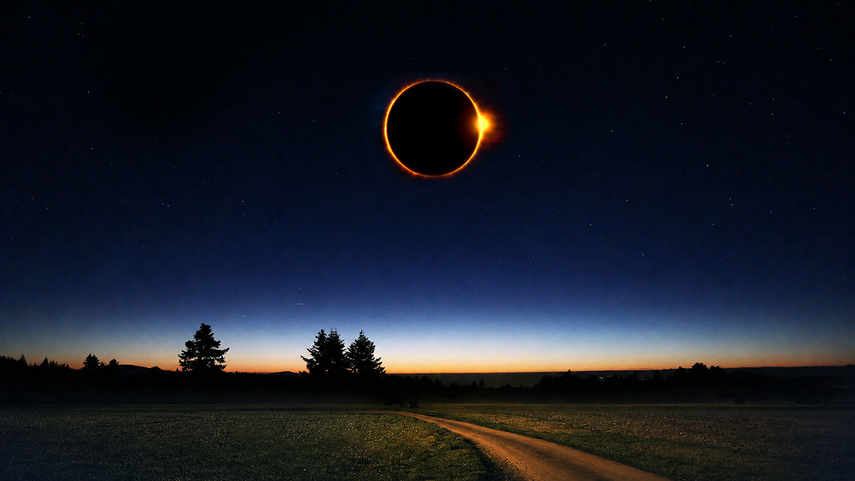
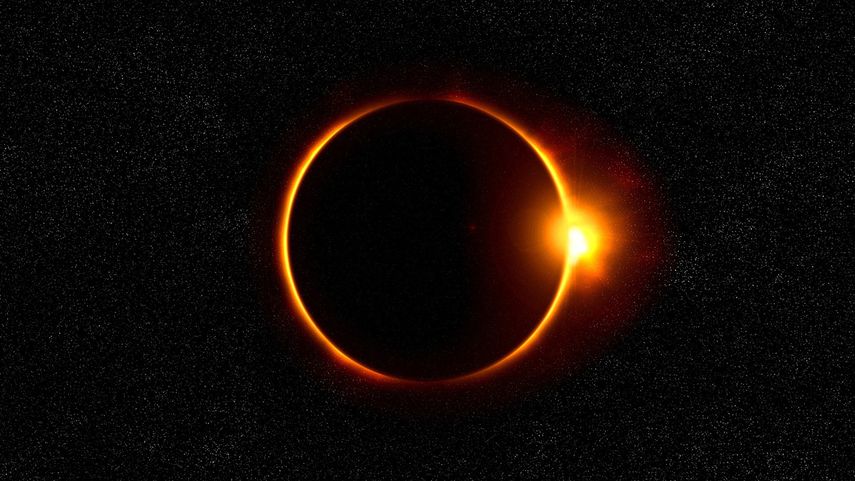
A solar eclipse occurs when the Moon passes between the Earth and the Sun, blocking all or part of its light. Depending on the alignment, it can be partial, annular, or total.
In the case of a total eclipse, the sky darkens for a few minutes as if it were night, and the temperature may drop slightly. It is a brief but deeply impactful spectacle.
In Spain, certain areas will offer privileged conditions for observing this phenomenon. Places with clear skies, low light pollution, and open landscapes—such as rural areas, coasts, or natural parks—become ideal settings. This has sparked growing interest among travelers, photographers, amateur astronomers, and curious visitors from around the world.
The eclipse attracts not only because of its rarity, but also because of the collective experience it generates. Hotels, travel agencies, and tourist destinations are organizing special activities: guided observations with experts, cultural events, educational workshops, and even themed packages combining local gastronomy and astronomy. For many destinations, especially in less crowded regions, it represents an opportunity to position themselves on the international tourism map.
From a traveler’s perspective, witnessing an eclipse is much more than observing an astronomical phenomenon. It is an excuse to discover new landscapes, connect with nature, and share a moment with people from different parts of the world. The emotion of the moment—when the light changes, silence falls, and the sky transforms—is difficult to describe and even harder to forget.
That said, observation must be done with caution. It is essential to use certified special eclipse glasses, as looking directly at the Sun without protection can cause irreversible eye damage.
In short, the solar eclipse makes Spain a privileged destination this year. A fleeting event that invites people to travel, look up at the sky, and remember that sometimes the most extraordinary spectacles are not created—they simply happen.