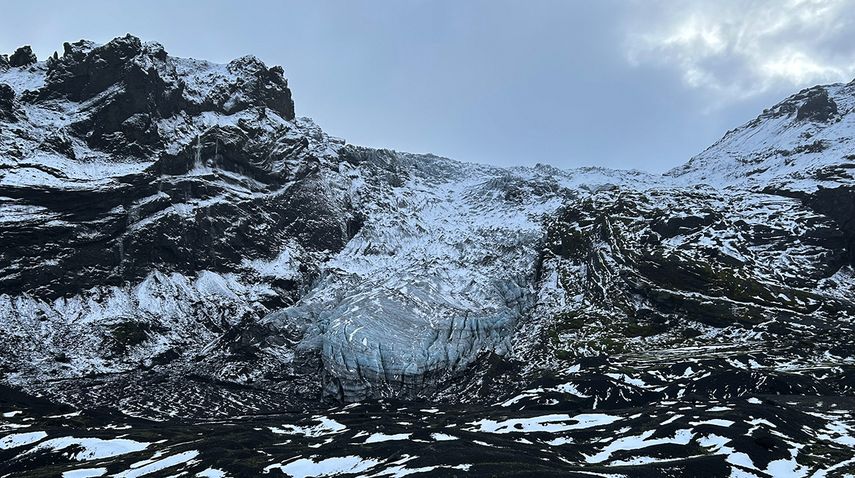
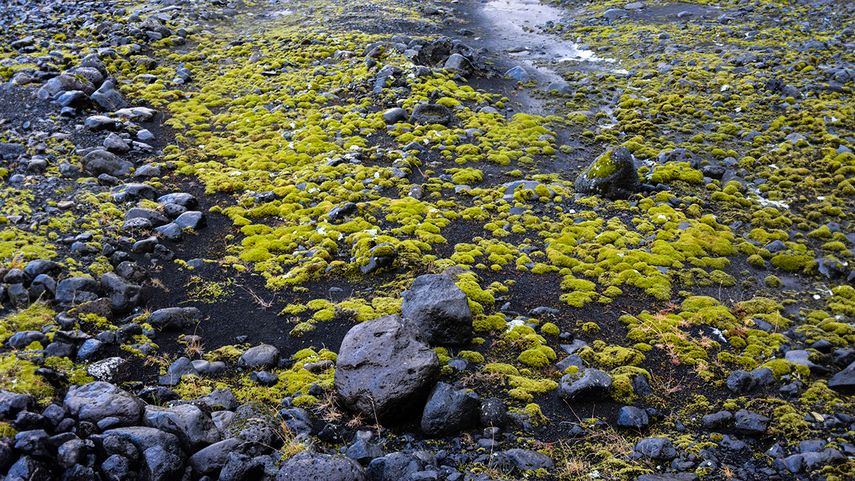
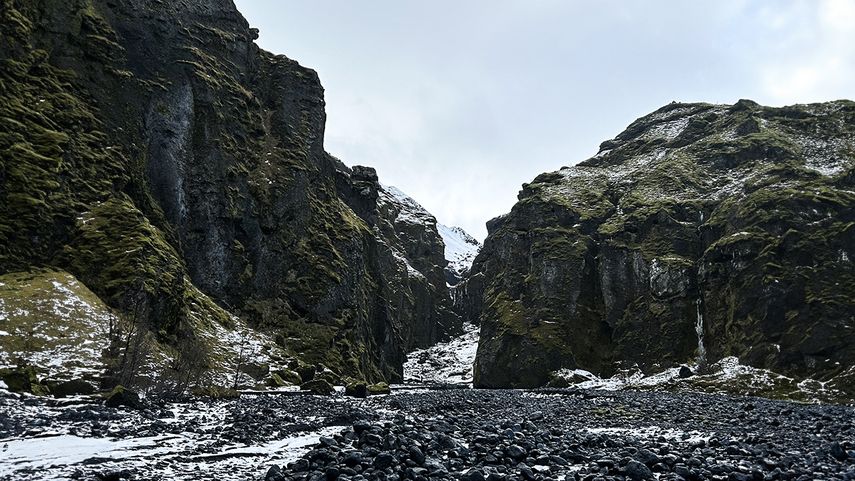
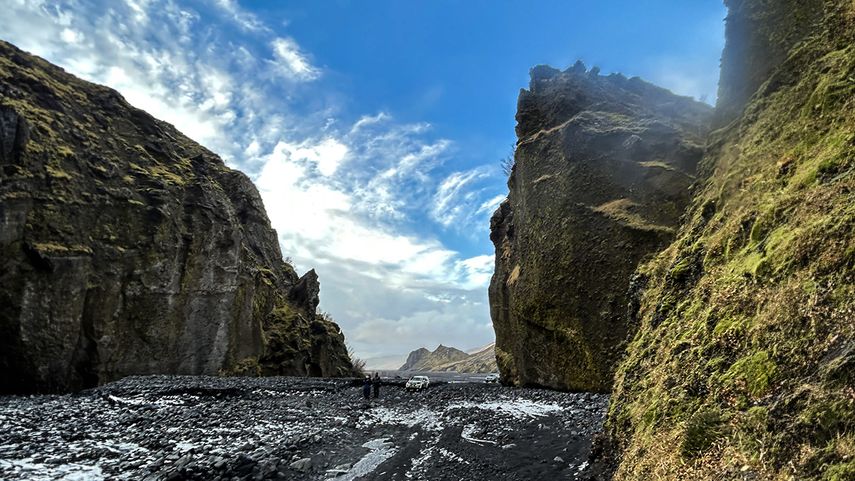
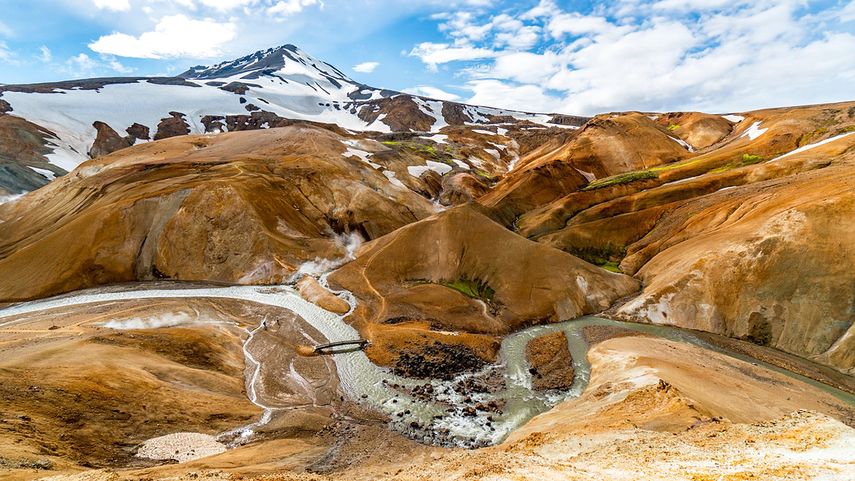
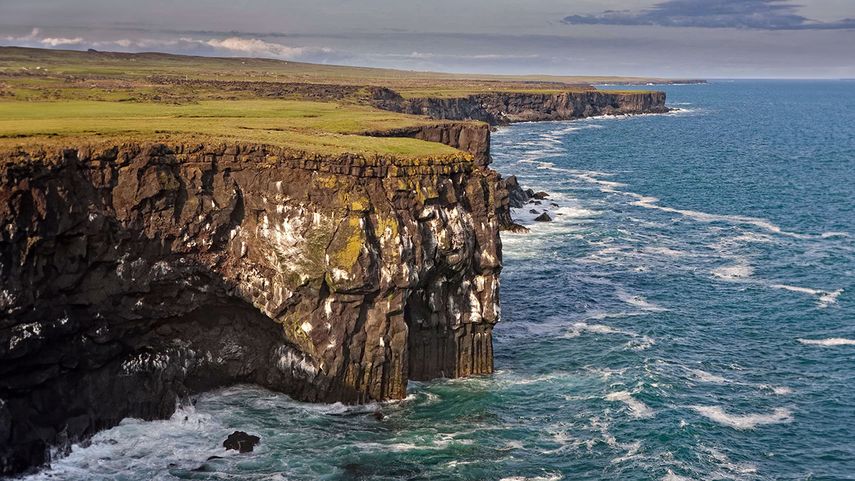
Planning is essential. Travelers with only a few days can explore the Golden Circle, while those with a week or more can venture around the island along the Ring Road, discovering fishing villages, mountain passes, volcanic regions and remote stretches of coastline.
With Icelandair scheduled to resume its seasonal nonstop service between Miami and Reykjavík on October 24, Iceland is becoming an increasingly accessible destination for South Florida travelers. The flight connects Miami with Keflavík International Airport, the principal gateway to the country.
The Golden Circle: Iceland in a Few Days
For travelers with three or four days, the Golden Circle offers an introduction to Iceland’s natural and historical landmarks. The popular sightseeing route covers approximately 230 to 240 kilometers (140 to 150 miles), depending on the itinerary, and can be explored independently or with a guided tour.
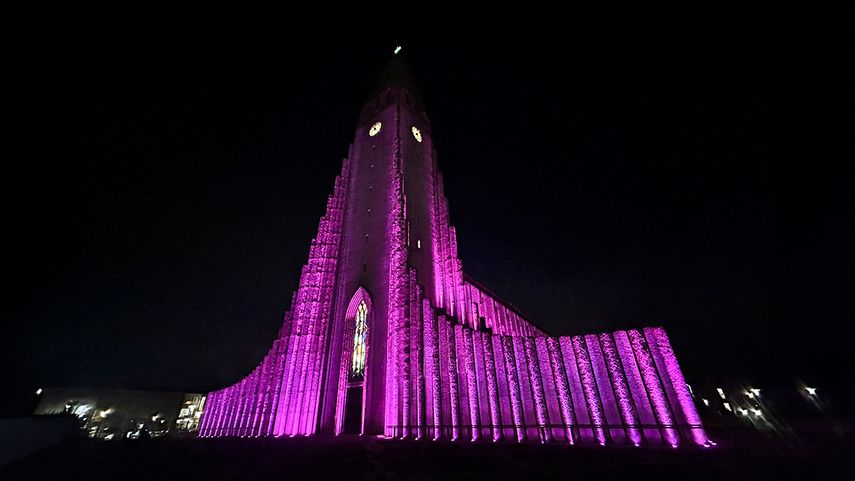
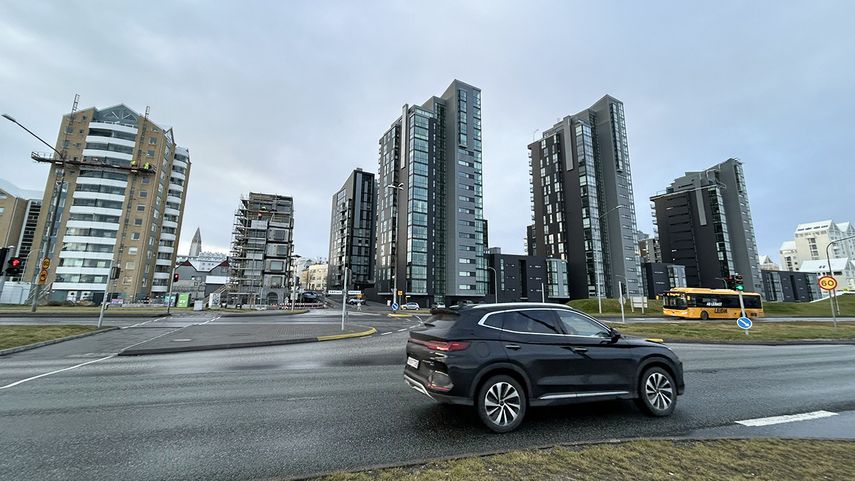
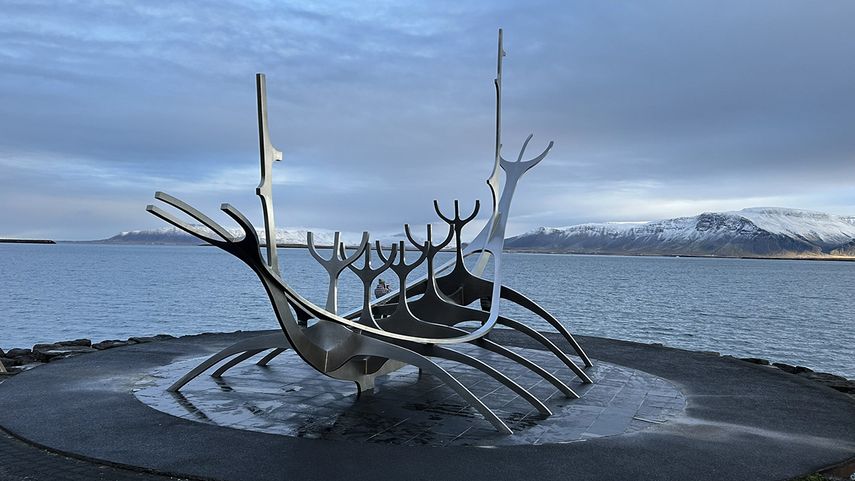
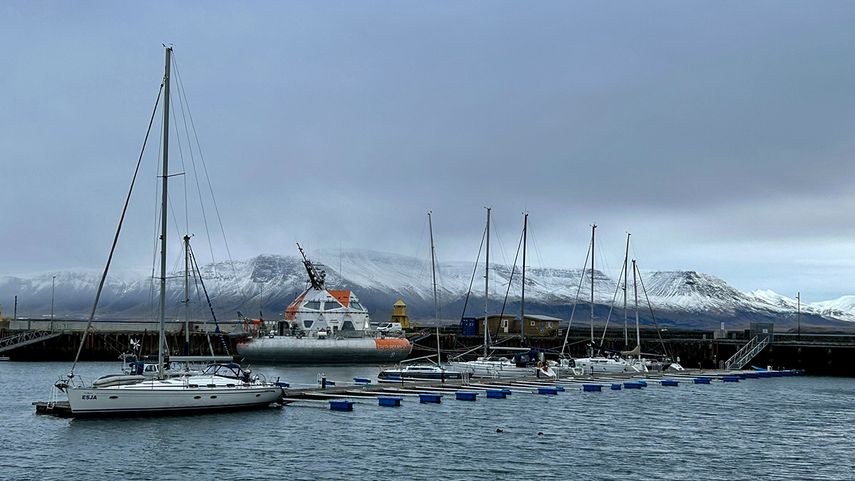
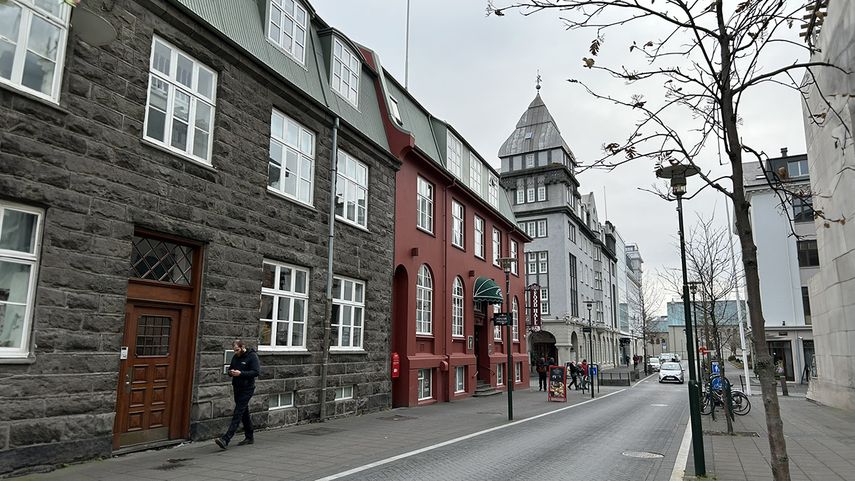
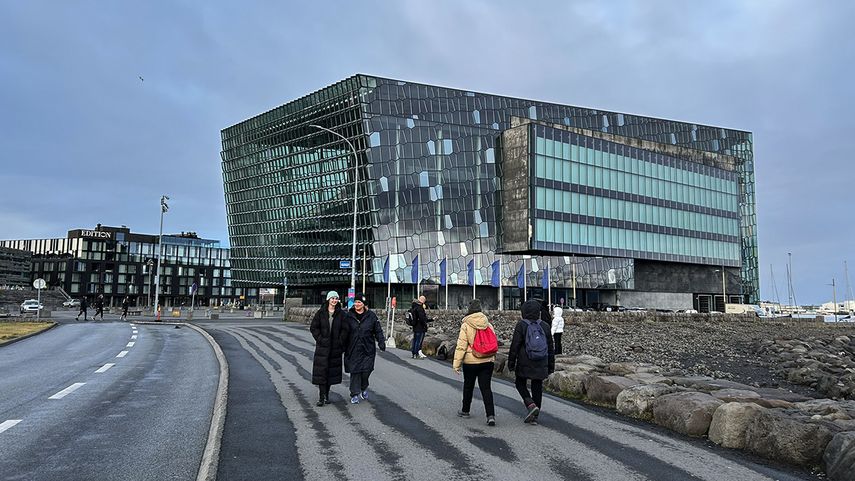
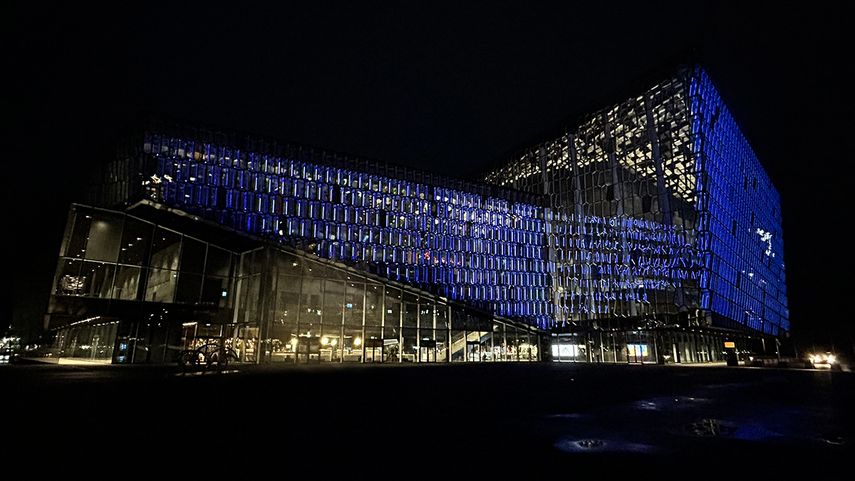
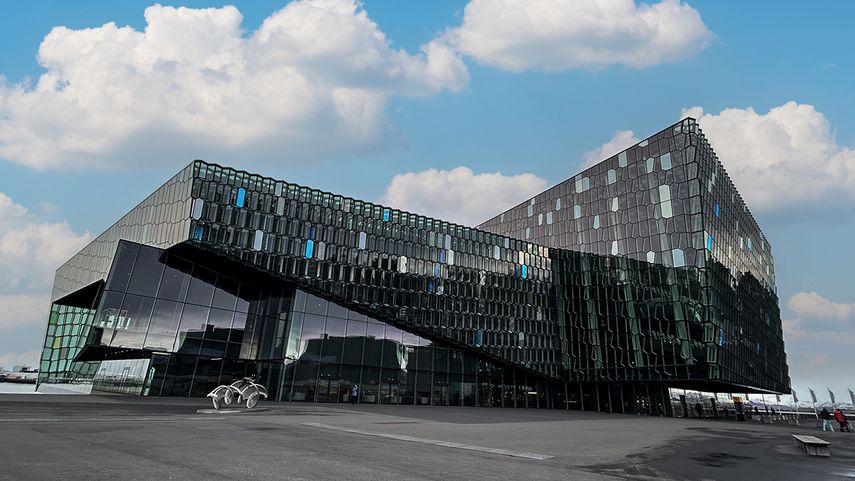
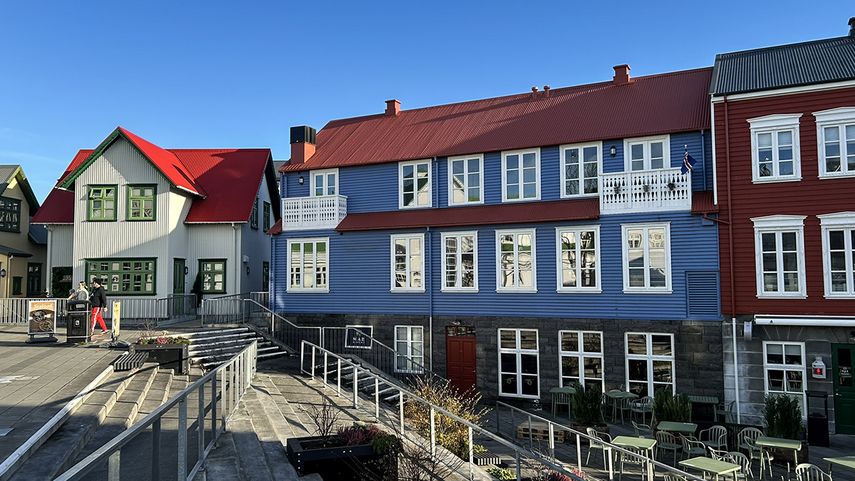
After arriving at Keflavík International Airport, consider spending time in Reykjavík, the capital, before setting out. Its compact center combines contemporary Nordic architecture, restaurants, cafés, museums and a lively cultural scene.
From Reykjavík, the Golden Circle leads into a landscape where tectonic forces, geothermal energy and glacial water have shaped some of Iceland’s best-known attractions.
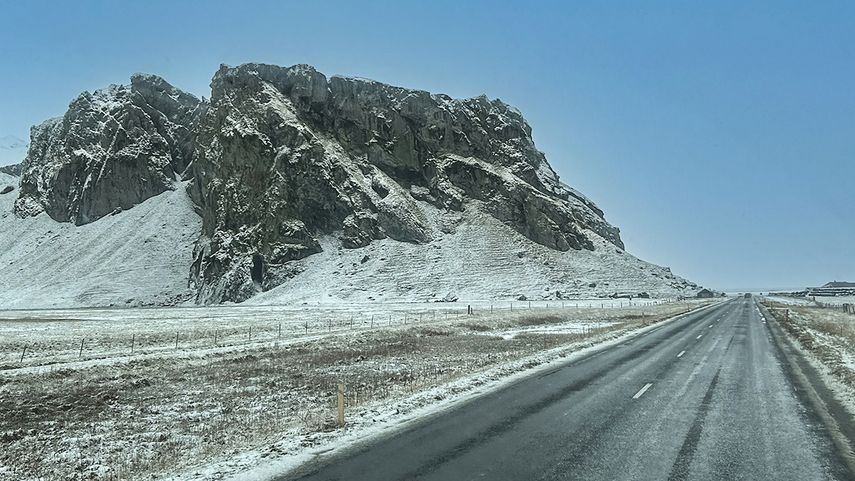
Several tour operators offer organized excursions and vacation packages, while independent travelers can rent a car and follow the route at their own pace. Before setting out, check road conditions and weather forecasts, particularly outside summer.
Pingvellir National Park
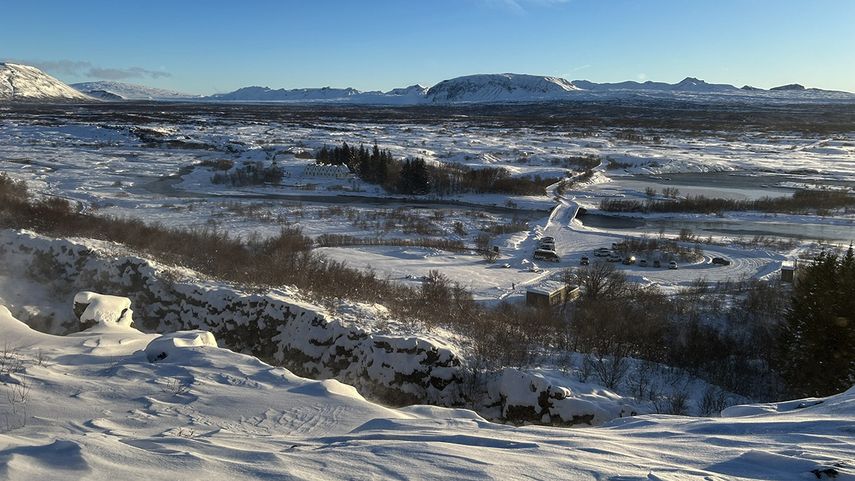
About 45 minutes from Reykjavík, Pingvellir National Park is one of Iceland’s most historically and geologically significant places. The landscape lies within the Mid-Atlantic Ridge, where the North American and Eurasian tectonic plates are gradually moving apart.
Walking through its fissures and rocky expanses offers a close look at the geological forces shaping the island. The park is also central to Icelandic history: the Alþingi, one of the world’s oldest parliamentary institutions, was established here around the year 930.
Allow time to explore the walking paths and visitor facilities. Although access to the park itself is generally free, parking charges may apply.
Geysir Geothermal Area
From Pingvellir, continue toward the Haukadalur valley, home to the Geysir geothermal area. Steam rises from the ground, and bubbling pools reveal the volcanic energy beneath the surface.
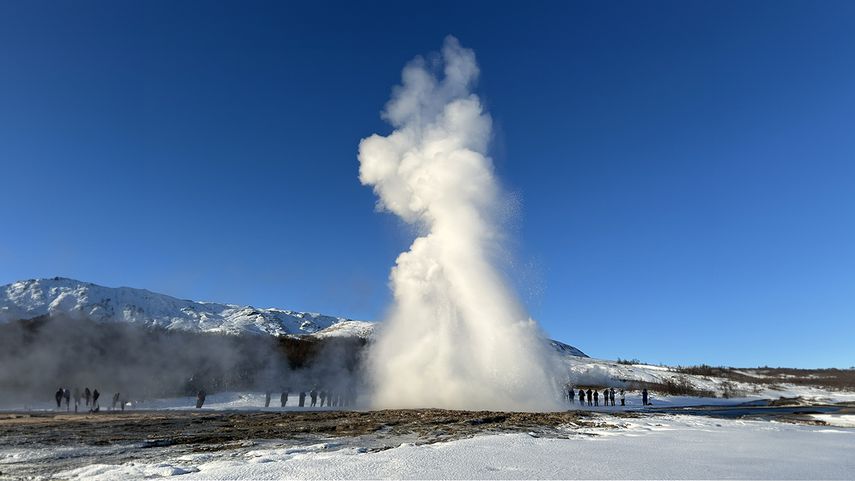
The original Great Geysir gave its name to geysers worldwide, although its eruptions are now infrequent. Nearby Strokkur, by contrast, erupts regularly, sending a column of hot water into the air and drawing visitors who gather along the marked viewing areas.
The main geothermal attractions are a short walk from the parking area. An hour is usually enough for a visit, although photographers may want to stay longer.
Gullfoss
A short drive from Geysir, Gullfoss is one of Iceland’s most impressive waterfalls. The Hvítá River plunges in two stages into a deep canyon, producing a powerful rush of water and spray.
Marked viewpoints provide different perspectives of the falls, but the weather can change quickly. Wind, cold temperatures and water spray make a waterproof jacket and sturdy footwear useful, even during summer.
Allow at least an hour to explore the area and take in the scenery.
Kerio Crater and Laugarás Lagoon
Two additional stops can extend the Golden Circle experience.
Kerio is a volcanic crater with steep slopes of red volcanic rock surrounding a striking blue-green lake. Its contrasting colors make it a popular stop for photography, although access arrangements and any entrance fee should be checked before visiting.
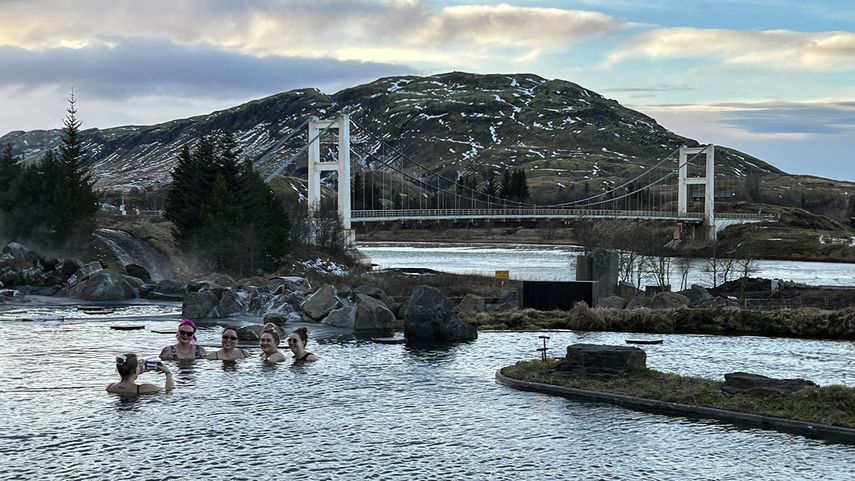
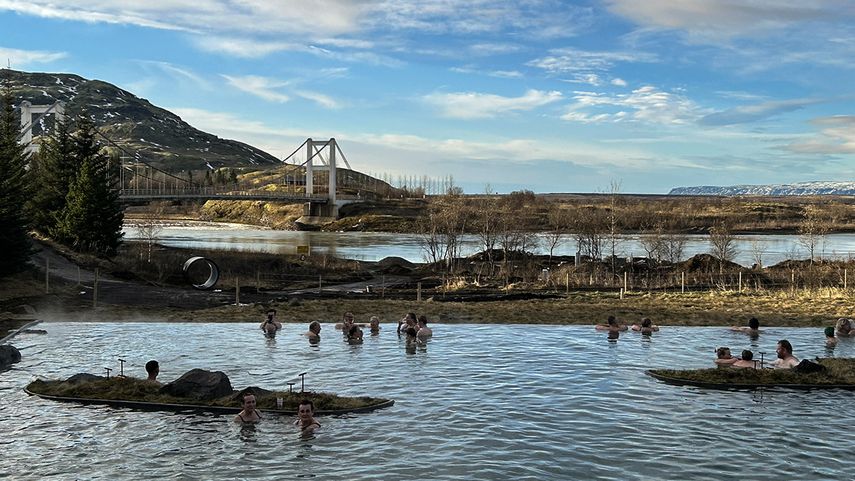
For a different experience, Laugarás Lagoon combines geothermal bathing with contemporary design. Located in South Iceland, the retreat features bathing areas on two levels, saunas and views of the surrounding landscape. Its facilities offer a relaxing counterpoint to a day spent exploring waterfalls and volcanic terrain.
Staying overnight and watching the Northern Lights
Spending a night outside Reykjavík can make the Golden Circle more leisurely and provide another opportunity to see the aurora borealis.
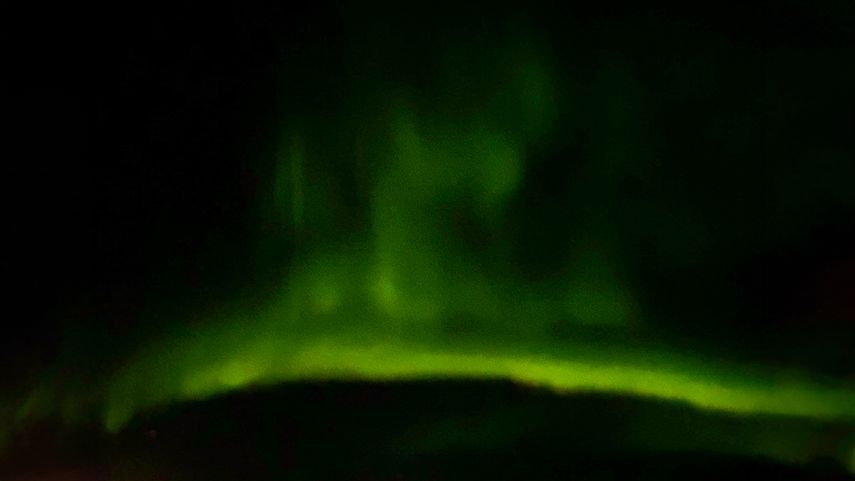
The Northern Lights occur when charged particles from the Sun interact with gases in Earth's upper atmosphere. The resulting display can appear as curtains or arcs of green light, sometimes accompanied by purple, pink or red hues.
Iceland's aurora season generally extends from late August through mid-April, when darkness returns. Seeing the lights, however, is never guaranteed. Clear skies limited artificial lighting and sufficient solar activity all play a role. Faint auroras can appear grayish to the naked eye, while a camera's long exposure may reveal more vivid colors.
The Ring Road: A Journey Around the Island
For travelers with at least a week, the Ring Road—also known as Route 1—offers a much broader view of Iceland.
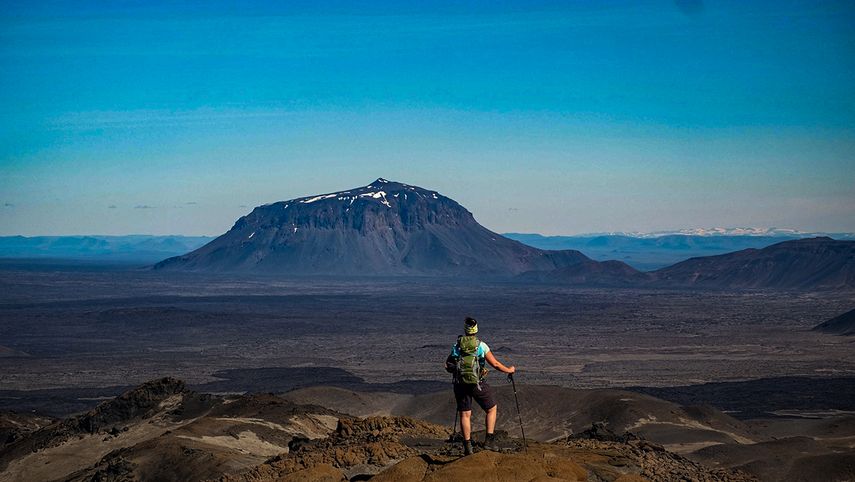
The approximately 1,322-kilometer (820-mile) highway connects many of the country's towns and settlements, passing through regions of glaciers, waterfalls, volcanic plains, mountain passes and deep fjords. A week is a practical minimum for the full circuit, although additional days allow more time for detours, hikes and local experiences.
The route can be driven in different directions. The following itinerary begins in Reykjavík and heads north, continuing around the island before returning along the South Coast.
From Reykjavík to Skagafjordur
North of Reykjavík, Borgarnes makes a convenient first stop. Set near the slopes of Hafnarfjall, the town is home to the Settlement Center, where exhibitions introduce visitors to Iceland's settlement period and the sagas that helped preserve the country's early history.
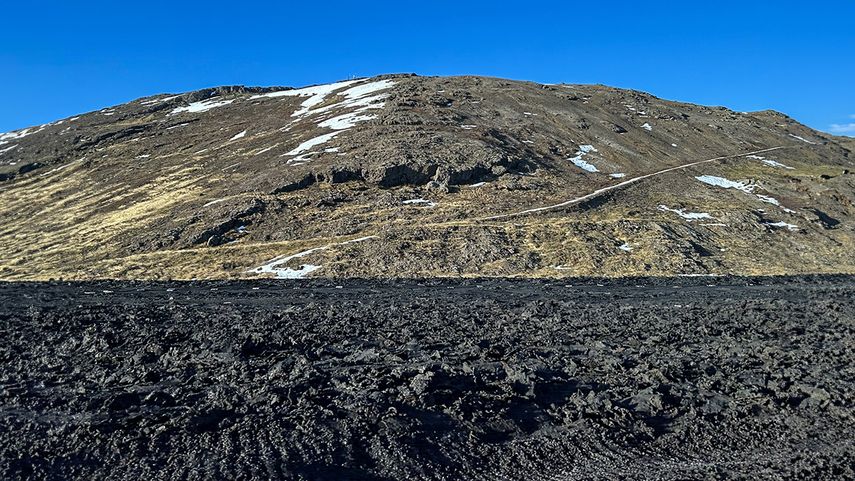
Continuing north, travelers can stop at Grábrók, a volcanic crater reached by a marked walking trail. From the summit, views extend across the surrounding lava fields and countryside.
The Westfjords, farther west, offer a more remote alternative for travelers with extra time. Their rugged coastline, isolated communities and dramatic cliffs make them a destination in their own right, rather than a quick detour on the main Ring Road.
Back on Route 1, the road leads toward Skagafjordur, a region known for its rural scenery and horse-breeding traditions. Guesthouses and farm stays offer opportunities to experience the countryside at a slower pace.
The coastal village of Hofsós is another worthwhile stop. Its attractions include the Icelandic Emigration Center, which explores the history of Icelanders who left their homeland for North America, and a geothermal swimming pool overlooking the fjord.
Tröllaskagi, Akureyri and Lake Mývatn
Rather than following the most direct route to Akureyri, travelers can take the scenic road around Trollaskagi, or the Troll Peninsula. The route passes steep mountains, coastal villages and tunnels before reaching Siglufjordur, a former herring-fishing center whose maritime heritage is preserved in the Herring Era Museum.
Akureyri, the largest urban center in North Iceland, is a useful place to refuel, shop for supplies and take a break from driving. Visitors can explore its church, botanical garden, cafés and geothermal swimming facilities.
East of the city, Godafoss provides another memorable stop. Known as the Waterfall of the Gods, it curves across a broad stretch of river, with walking paths offering views from several angles.
Continue to Lake Mývatn, a volcanic region characterized by lava formations, geothermal fields and unusual geological features. The surrounding area invites unhurried exploration, from walks through the lava formations at Dimmuborgir to visits to the steaming ground at Hverir.
The Mývatn Nature Baths offer another way to experience the region's geothermal activity. Given the number of attractions, spending an additional night here is worthwhile.
From Myvatn to the Eastfjords
Before heading east, travelers with extra time can detour north to Húsavík, a town known for whale-watching excursions and its Whale Museum. The trip adds driving time but provides an opportunity to explore Iceland's maritime traditions and marine life.
Back on the Ring Road, the landscape becomes increasingly remote. A detour to Dettifoss, one of Europe's most powerful waterfalls by volume, offers a dramatic encounter with the force of glacial water. Access depends on the approach road and seasonal conditions, so check the latest information before making the trip.
Egilsstaðir, the principal service center in eastern Iceland, is a convenient overnight stop. Those seeking a more intimate setting can continue through the mountain pass to Seyðisfjordur, a small fjord town known for its colorful historic buildings, artistic atmosphere and spectacular surroundings.
The Eastfjords and Glacier Country
The Eastfjords are among the more time-consuming stretches of the Ring Road. The highway winds around inlets and mountains, revealing fishing villages, steep slopes and views across the North Atlantic. Distances that appear short on a map can take longer to cover because of the winding terrain.
As the road rounds Hvalnes and continues toward Southeast Iceland, the scenery changes again. Glaciers and glacier-covered mountains rise above the coastal plains, while the Atlantic remains a constant presence.
Hofn, a fishing town known for its langoustine dishes, is a good place to stop for a meal or spend the night.
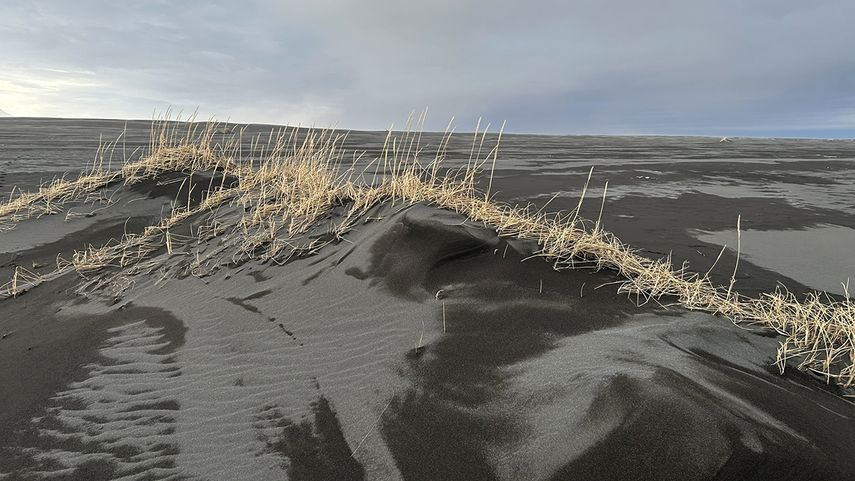
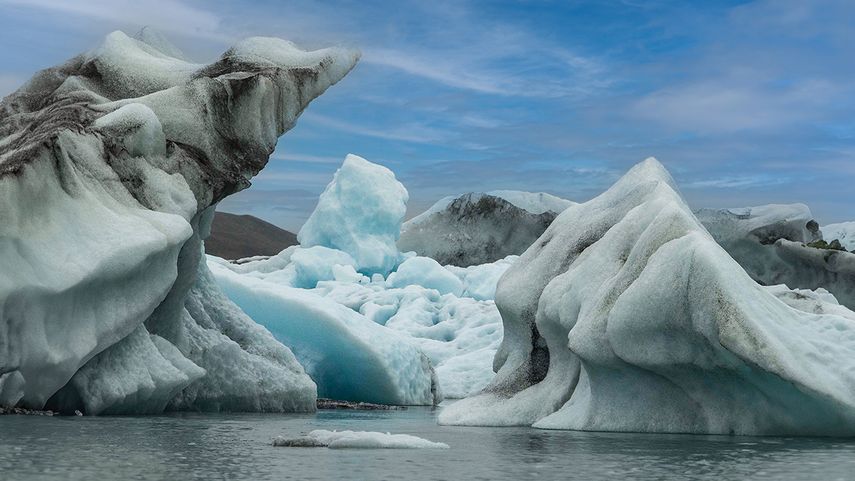
West of town, Jokulsárlón glacier lagoon is one of the region's signature attractions. Icebergs break away from a glacier and drift across the lagoon before moving toward the ocean. Nearby, Diamond Beach takes its name from pieces of ice scattered across the black volcanic sand.
Farther west, the Skaftafell area of Vatnajokull National Park offers hiking routes, glacier views and access to striking natural features. The landscape also bears evidence of the powerful glacial floods known as jokulhlaups, which have periodically reshaped roads, rivers and bridges.
The South Coast and Return to Reykjavík
The final stretch toward Reykjavík passes through some of Iceland's most visited coastal landscapes.
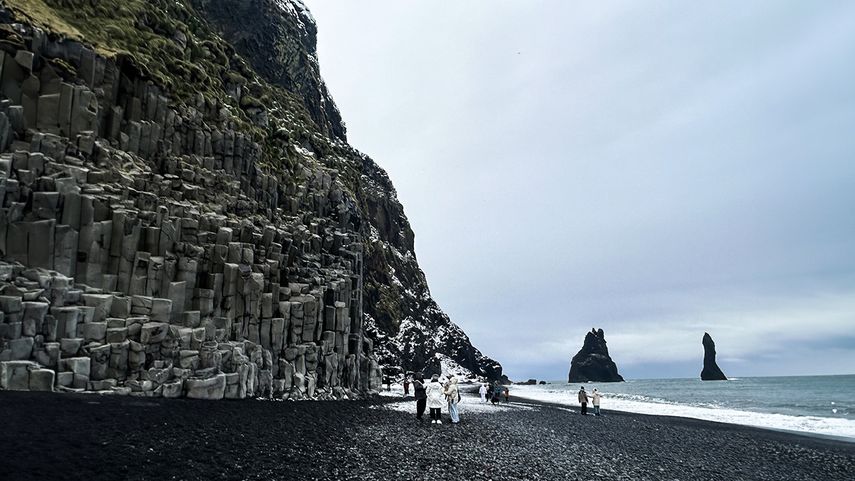
Reynisfjara, near the village of Vík, is famous for its black sand, basalt formations and powerful Atlantic surf. Visitors should remain well back from the water: unexpected sneaker waves can sweep across the beach and pose a serious danger.
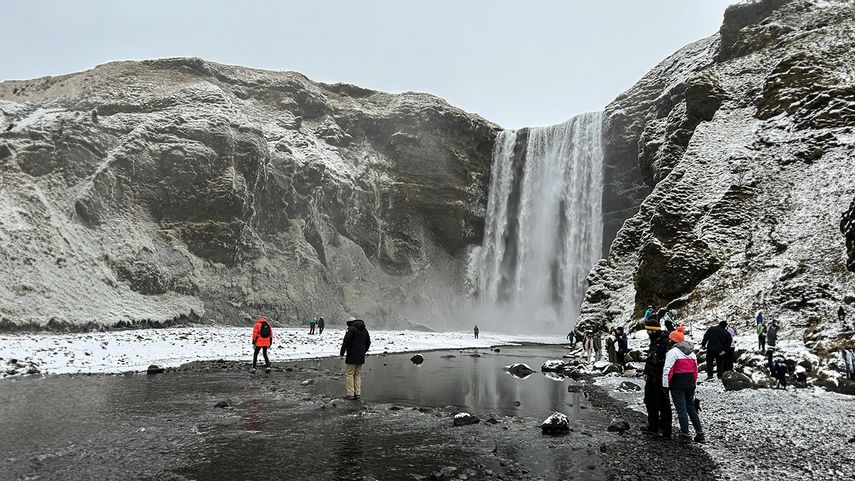
Sólheimajokull offers views of a glacier tongue, while the Skógar area combines the Skógar Museum's collections of Icelandic cultural heritage with the impressive Skógafoss waterfall.
On clear days, the South Coast provides views of Eyjafjallajökull, the volcano whose 2010 eruption disrupted air travel across parts of Europe. Seljalandsfoss is another major stop, with a walking path that allows visitors to pass behind the waterfall when conditions permit. Waterproof clothing and suitable footwear are advisable.
From here, travelers can return directly to Reykjavík or spend another night in the region. Those with additional days might consider a separate excursion to the Westman Islands, an archipelago with volcanic landscapes, wildlife and a history shaped by fishing and eruptions.
The Ring Road is more than a drive between landmarks. It is a way to understand Iceland's changing geography, from northern volcanic terrain to eastern fjords and the glacier-fed rivers of the South Coast. The flexibility to stop, explore and stay overnight is what makes the journey especially rewarding.
How to Get There
Icelandair connects Iceland with numerous North American cities. Its seasonal nonstop Miami–Reykjavík service is scheduled to operate three times weekly from October 24 through May 11, 2027. Travelers should verify current schedules, fares and operating dates before booking.
Flights arrive at Keflavík International Airport, approximately 50 kilometers (31 miles) southwest of Reykjavík. Allow roughly 45 to 60 minutes by road, depending on traffic and conditions.
U.S. citizens traveling on a U.S. passport generally do not need a visa for short visits to Iceland of up to 90 days. Travelers holding other passports should check entry requirements with the relevant Icelandic authorities before departure.
Language
Icelandic is the country's official language and has retained many features of Old Norse, the language associated with the Viking Age. English is widely spoken, particularly in tourism and hospitality, making independent travel straightforward.
Where to Stay
Iceland offers accommodations ranging from luxury hotels and boutique properties to guesthouses, farm stays, hostels and apartments. During peak summer, booking ahead is advisable, particularly outside Reykjavík, where choices may be more limited.
In the capital, The Reykjavík EDITION offers an upscale stay near the harbor, with contemporary design, dining and access to the city's cultural attractions.
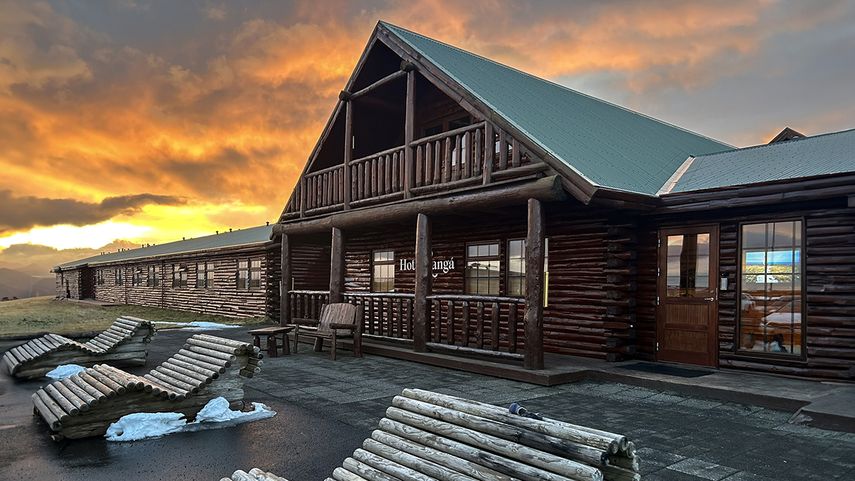
For a countryside retreat, Hotel Rangá, east of Hella along Route 1, is known for its rustic-luxury setting, restaurant and outdoor hot tubs. Its location away from the capital's brightest lights can also be advantageous for Northern Lights viewing when conditions cooperate.
Travelers driving the Ring Road should consider overnight stops according to the route rather than attempting to cover long distances every day. Staying two nights in particularly rewarding regions, such as Lake Mývatn or the southeast, creates more time for excursions and reduces the pressure to keep moving.
Currency and Money-Saving Tips
Iceland's official currency is the Icelandic króna (ISK). The country is largely cashless, and credit and debit cards are widely accepted in shops, restaurants, hotels and many other businesses.
Most visitors do not need to exchange large amounts of cash before departure. Instead, use a card with favorable foreign-transaction terms and check your bank fees before traveling.
When withdrawing cash, use a reputable bank-operated ATM and review any displayed charges. At card terminals or ATMs, choose to pay or withdraw in Icelandic krónur rather than accepting a conversion into U.S. dollars, when offered; the latter option can involve an unfavorable exchange rate.
Food, lodging and organized excursions can be expensive, so advance reservations, supermarket purchases for some meals and a carefully planned driving itinerary can help manage costs. Remember to budget for fuel, parking, paid attractions and geothermal bathing experiences in addition to accommodation.
Iceland's appeal lies in the contrast between its powerful natural forces and the everyday life of its towns and villages. Whether the journey lasts a long weekend or a full circuit of the island, the country's waterfalls, volcanic landscapes, historic settlements and ever-changing skies provide reasons to slow down and explore beyond the main viewpoints.