The Golden Circle
For travelers with only three or four days, the Golden Circle route is an ideal introduction. This 230–240 kilometer (140–150 mile) round-trip sightseeing route combines iconic natural landmarks with historically significant sites.
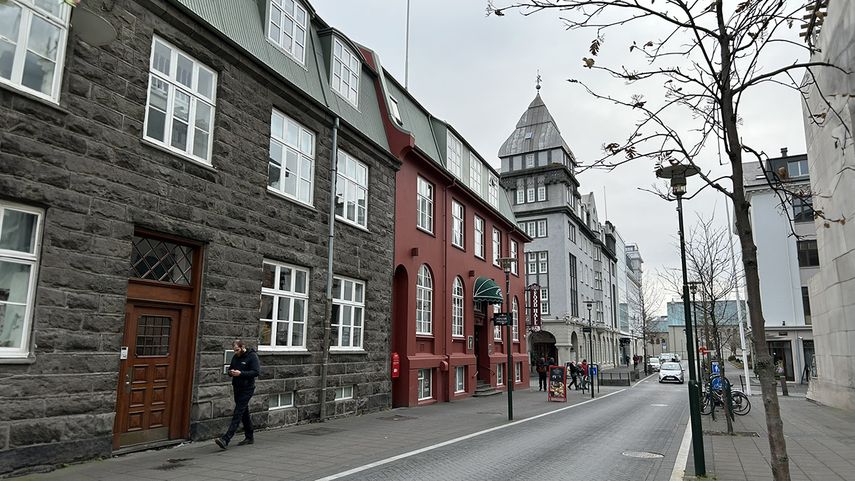
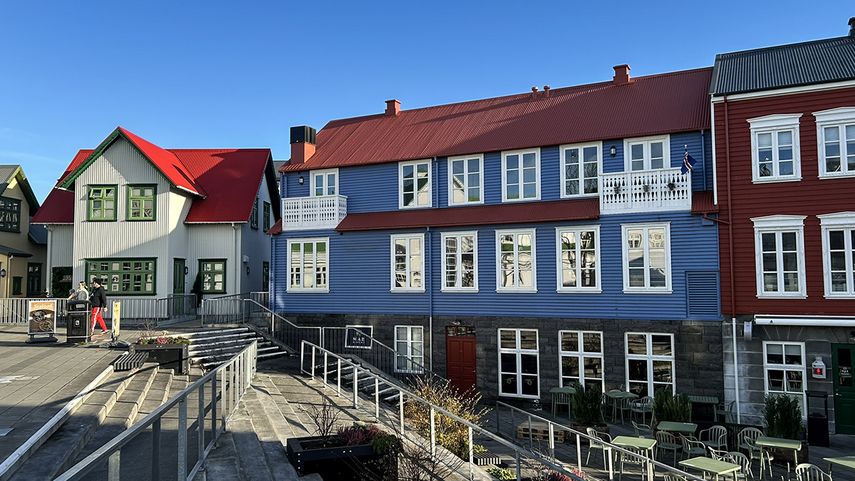
After arriving at Keflavík International Airport, take time to stroll around Reykjavík, the island’s capital, known for its laid-back hipster vibe and Nordic atmosphere. From here, your ultimate Icelandic journey begins.
Several tour operators—including Icelandair.com, Icelandia, and Activity Iceland—offer well-curated vacation packages that showcase the country through local expertise. However, if you prefer to travel independently, careful itinerary planning allows you to rent a car—or even a 4x4 for a more adventurous experience.
A standard Golden Circle Road trip includes at least three iconic landmarks:
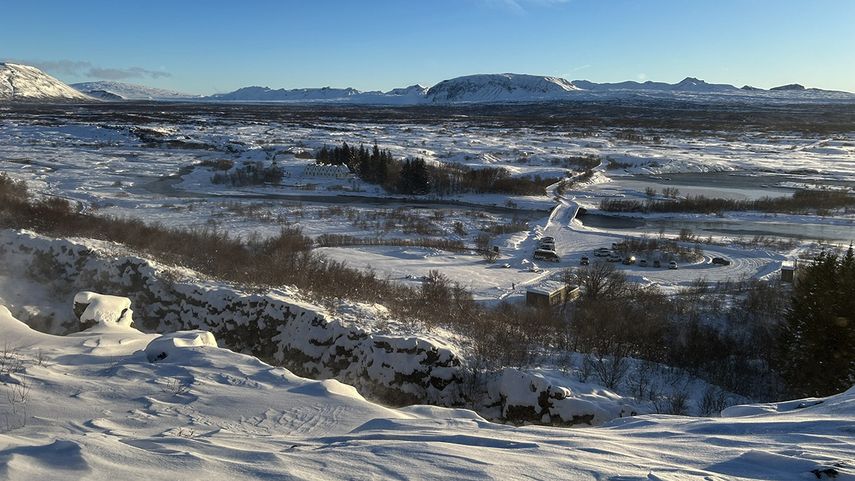
Pingvellir National Park
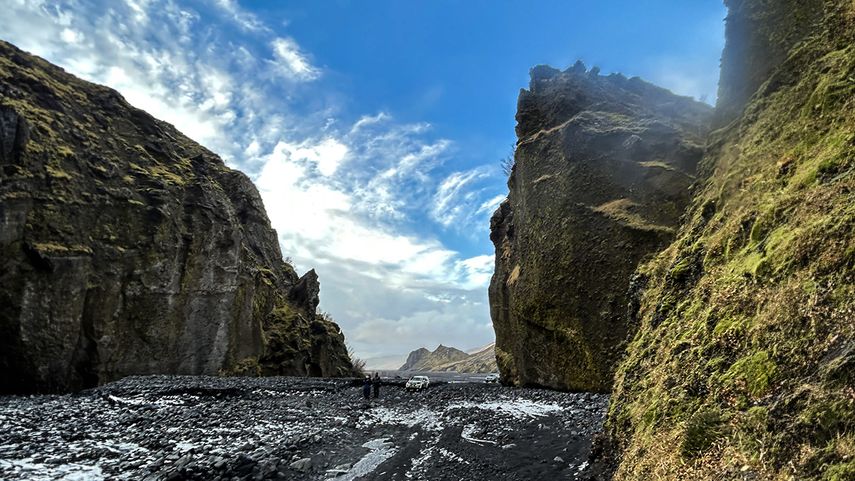
Where the North American and Eurasian tectonic plates meet along the Mid-Atlantic Ridge. It’s a 45-minute drive from Reykjavík. Entrance is free, though parking costs about $7 (paid in local currency). Be sure to visit the visitors’ center, which offers exhibits, souvenirs, snacks and meals.
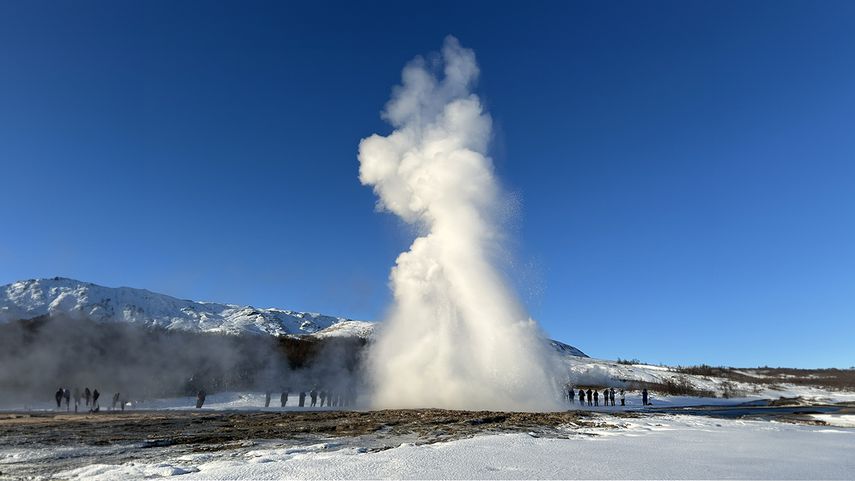
Geysir Hot Springs
A geothermal area famous for its erupting geysers. It’s a 50-minute drive from Þingvellir to Geysir. Entry is free, and the geysers are a short five-minute walk from the parking area. Plan to spend about an hour observing eruptions and walking the site.
Gullfoss
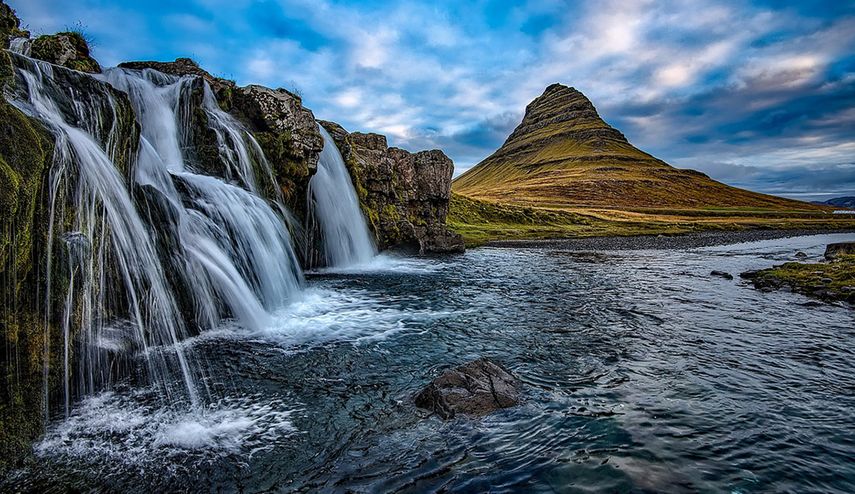
A powerful waterfall plunging into a dramatic canyon, just seven minutes from Geysir. Visiting is free, and you should plan at least an hour here. Expect windier, colder conditions, wear a rain jacket to protect against water spray.
Other noteworthy stops include:
Kerid Crater Lake
A 6,500-year-old volcanic crater lake so impressive and conveniently located that it’s often considered a main Golden Circle highlight.
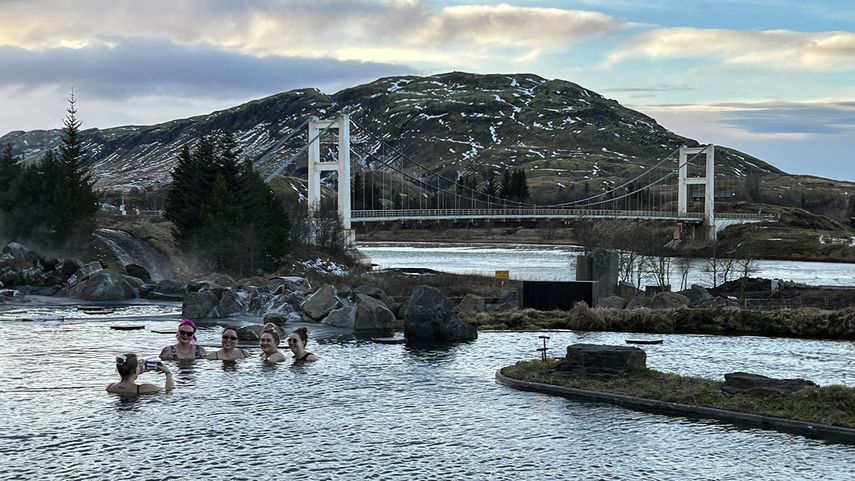
Laugarás Lagoon
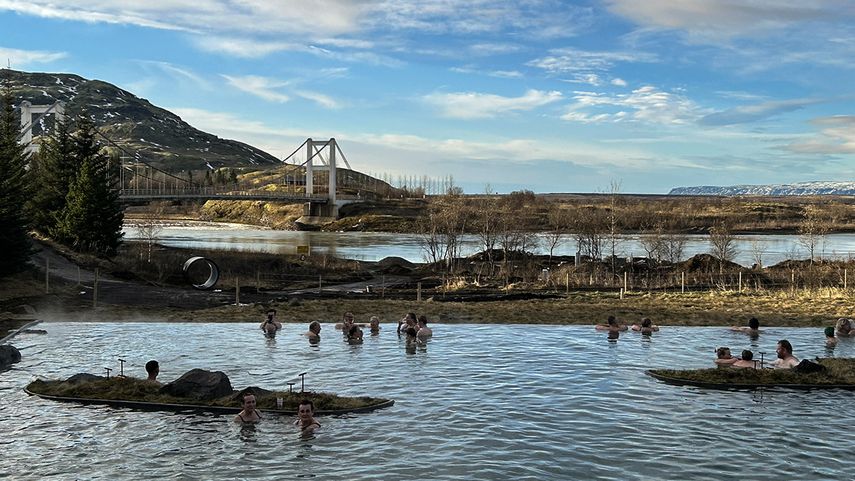
Located north of Selfoss, this brand-new, two-story retreat faces the mountains and blends nature with relaxation. It offers diverse bathing experiences in a peaceful, scenic setting—perfect for couples, friends, and families.
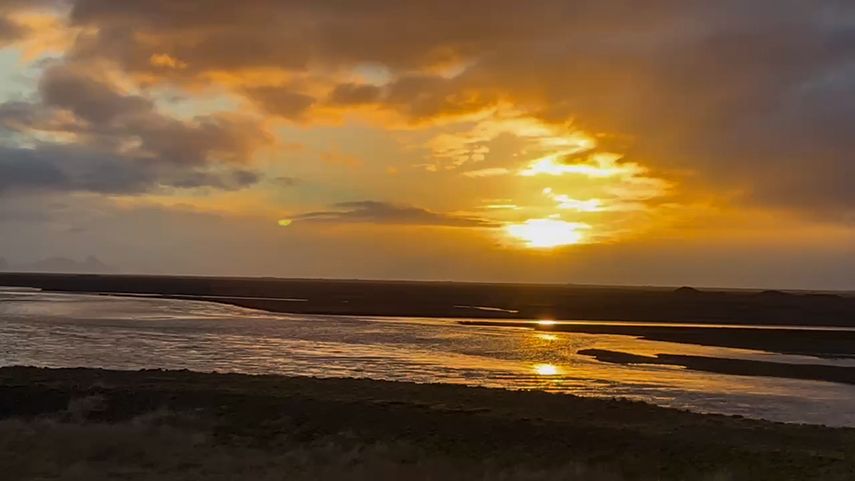
Accommodation options are plentiful along the route, and spending the night increases your chances of seeing the Northern Lights. The aurora borealis is a natural light display caused by collisions between electrically charged solar particles and gases in Earth’s atmosphere near the poles. It often appears as luminous curtains or rays in green, blue, purple, and red hues.
Contrary to popular belief, the Northern Lights are not always visible to the naked eye. Strong displays can be clearly seen, but weaker ones may only be detectable by cameras using night mode, which are more sensitive to faint light. Visibility also depends on dark skies, clear weather, and solar activity.
Please, watch the video recap we have included here.
The Ring Road (Route 1)
The Ring Road is the ultimate way to experience Iceland. If time allows, investing a full week—or more—to drive the entire loop is well worth it.
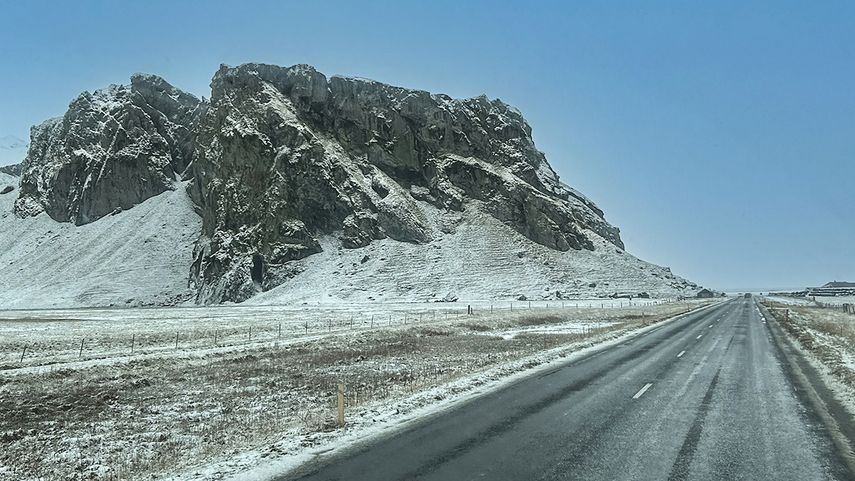
This 1,322-kilometer (821-mile) national highway circles the island, connecting major towns and showcasing an extraordinary variety of landscapes, from glaciers and waterfalls to volcanic plains. While the road is paved, winter driving requires caution. Popular detours include the Golden Circle and the stunning Snæfellsnes Peninsula.
Let’s see which highlights along the route local guides recommend.
From Reykjavík to Skagafjordur
Heading north from Reykjavík, you’ll reach Borgarnes in about an hour. Set against the scree slopes of Hafnarfjall, the town is home to the Settlement Center, which traces Iceland’s Viking origins.
Continue north and climb the Grábrók crater for panoramic views.
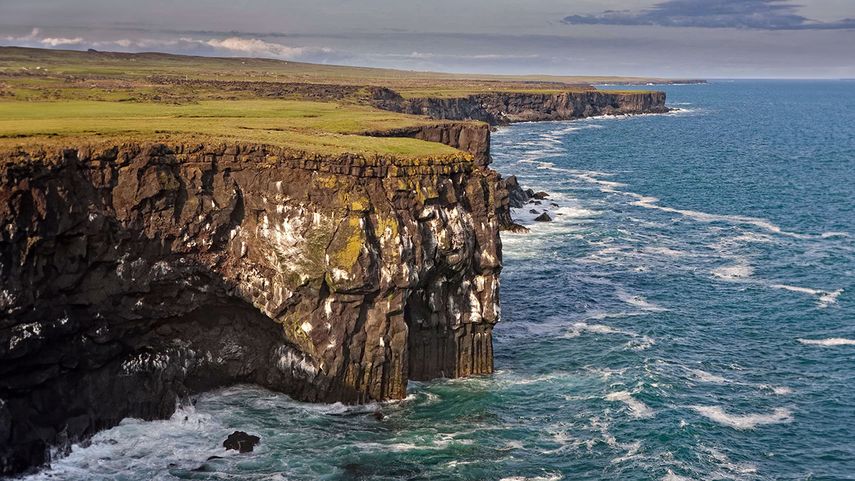
Here, before continuing north, you can take a detour to the Westfjords, where countless cliffs shape the coastline of this spectacular peninsula.
Back on the Ring Road (Route 1), head toward the fertile Skagafjörður valley. The region offers welcoming rural B&Bs and the charming village of Hofsós, known for its Emigration Center and its geothermal pool overlooking the fjord.
Trollaskagi, Akureyri, and Myvatn
Instead of taking the direct route to Akureyri, detour around the Trollaskagi (Troll Peninsula). This scenic loop winds through stark coastal landscapes and tunnels before reaching Siglufjordur, a delightful former herring town. The detour adds time but is well worth it.
Akureyri, Iceland’s second-largest city, is an excellent stop to refuel and restock. If time permits, visit the striking church or enjoy the city’s thermal pools. Continue east, stopping at Godafoss—one of Iceland’s most beautiful waterfalls—before reaching Lake Myvatn, a volcanic region rich in geothermal activity.
Myvatn is ideal for unhurried exploration, with lava formations, steaming geothermal fields, easy hikes, and the relaxing Myvatn Nature Baths. With so much to see, it’s one of the Ring Road’s best places to spend an extra night.
From Myvatn to the Eastfjords
Before heading east, consider a 45-minute detour north to Húsavík, Iceland’s whale-watching site and home to the Whale Museum. Then cross remote terrain toward the Eastfjords, stopping at Dettifoss—Europe’s most powerful waterfall.
For overnight stays, Egilsstadir is convenient, but the most appealing option is Seydisfjordur, reached via the scenic Fjardarheidi mountain pass. This artsy fjord town offers characterful lodging, good dining, and dramatic surroundings.
Along the Eastfjords
The Eastfjords are spectacular but slow-going, with repeated fjord crossings and limited shortcuts. Eventually, the road rounds Hvalnes Point and enters Southeast Iceland—glacier country—where the Ring Road runs between the Atlantic Ocean and glacier-capped mountains.
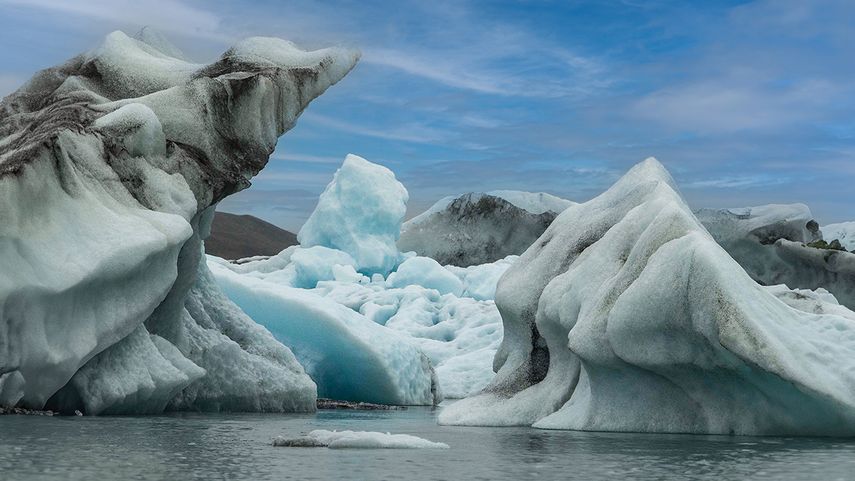
Stop in Hofn for food and lodging, renowned for its tasty langoustine dishes. Just west of town lies Jokulsárlón glacier lagoon, where icebergs drift serenely toward the sea, and nearby Diamond Beach, where chunks of ice wash ashore on black sand.
Continue to Skaftafell National Park for hiking and note the remains of a bridge destroyed by glacial flooding—a stark reminder of Iceland’s volatile geology.
South Coast to Reykjavík
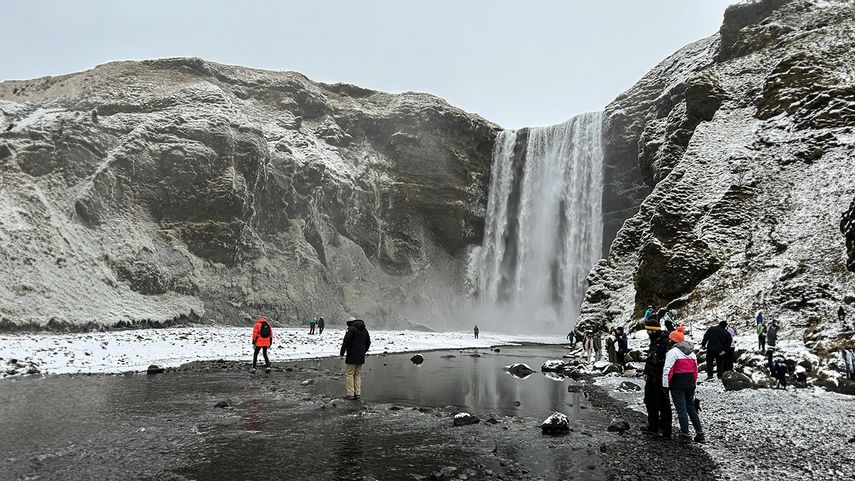
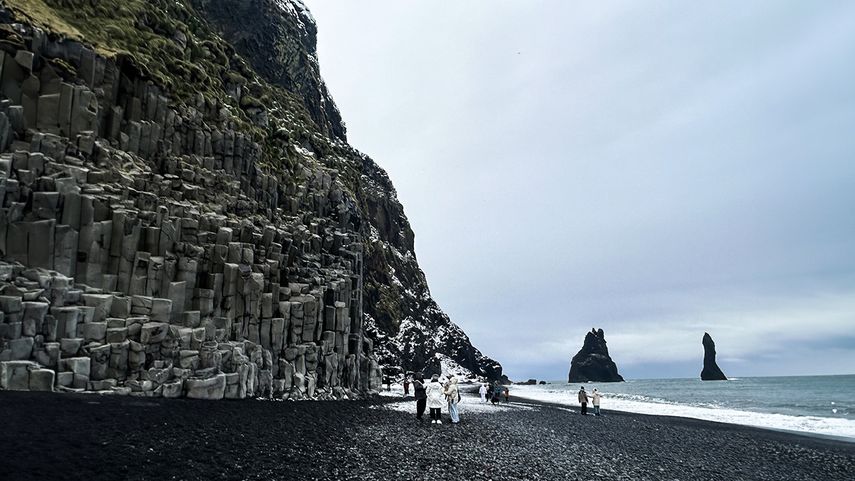
The final stretch follows the popular South Coast. Highlights include Reynisfjara’s black-sand beach, Sólheimajokull glacier, Skógar’s folk museum and waterfall, sweeping views of Eyjafjallajokull, and Seljalandsfoss, where you can walk behind the cascading water.
You can return directly to Reykjavík or spend an extra night to linger. With more time, detour to the Westman Islands or loop back via the Golden Circle.
The Ring Road is an unforgettable journey—one that delivers Iceland’s landscapes, history, and raw natural drama at every turn.
How to get there
Icelandair flies to Iceland from multiple U.S. cities, including Boston, New York, Newark, Chicago, Seattle, Denver, Orlando, Washington D.C., Pittsburgh, Baltimore, Nashville, and now Miami. Flights arrive at Keflavík International Airport (KEF) about 48 minutes’ drive to Reykjavík.
If you carry a US passport you do not need a visa for up to 90 days, but if you travel with a document from another origin, please contact your local Icelandic consular office to have appropriate information.
Time to Visit
The best time to visit Iceland depends on what you want to do: summer (June–August) is ideal for long days, outdoor activities, and green landscapes, while winter (September–March) is perfect for seeing the Northern Lights, snowmobiling, and enjoying fewer crowds. Shoulder seasons (April–May, September–October) offer a balance of good weather, lower prices, and fewer tourists.
Language
Icelandic is the official language. It has a strong connection to the Vikings’ Old Norse, but English is widely spoken.
Where to Stay
This European country has a wide array of accommodation options. From five-star hotels to boutique hotels, hostels, and apartments.
The Reykjavik EDITION hotel is a stylish and luxurious city hotel partnered with Marriott International.
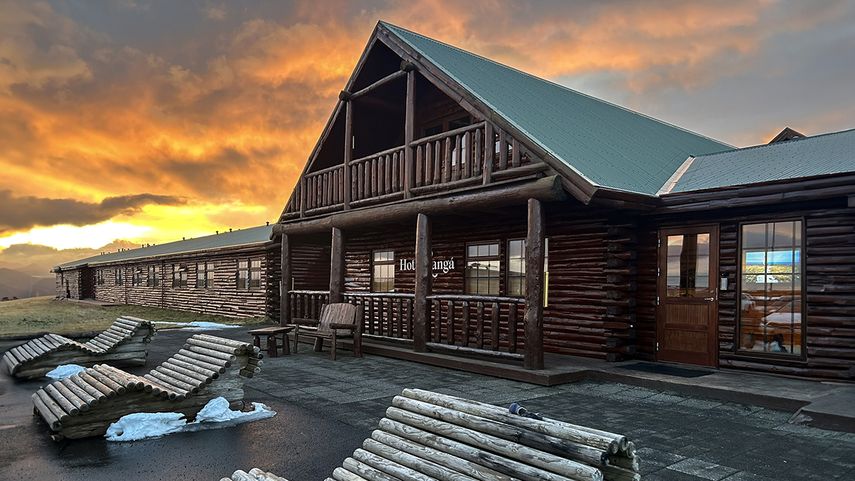
Located east of the town of Hella, on Route 1, Hotel Rangá is a luxury countryside resort and is known for its personalized service, rustic charm, and amenities like fine dining, out-doors hot tubs, jacuzzi baths and excellent Northern Lights.
Currency
The Icelandic króna is the official currency and legal tender of the country. Since some goods and services might be pricey, follow these tips to save money. DO NOT EXCHANGE MONEY, neither before traveling nor at your destination. Most travelers tend to exchange dollars, ignoring the often-excessive fees they are charged.
It's better to deposit your money in your bank account and use your ATM card as soon as you arrive at your destination. The issuing bank will charge you three or four dollars, but you'll save the exchange fee and get the best international rate available.
You can also use credit cards in stores, restaurants, and hotels.