The Government of India Tourist Office recommends planning your vacation after reading several informative articles on its website. It highlights destinations ranging from iconic landmarks like the Taj Mahal in Agra and bustling cities such as Delhi, to cultural hubs like Jaipur in Rajasthan, spiritual centers such as Varanasi, and lesser-known regions that make exceptional vacation spots.
The Office delivers a clear message about the must-visit places in India:
Monuments Of New Delhi
First-time travelers to India would likely end up in its capital, New Delhi. The flamboyant lifestyle of this city is likely to derail tourists from sticking to their itinerary.
Taj Mahal
Many of the world’s architectures can be attributed to love and the Taj Mahal is one of them. Mumtaz Mahal’s last request from her husband, Shah Jahan, before she died after the delivery of her 14th child, was to have a mausoleum built in her name.
Havelock Island
Havelock Island is the largest of its kind in Ritchie’s Archipelago. It makes the perfect location for eco-tourism. Havelock Island now sees more visitors because of its great beaches, snorkelling, scuba diving opportunities, and casual atmosphere.
Ajanta Caves
Ajanta Caves dates to the second century BC. They became isolated around 1819 which has helped to preserve some of their paintings. The preserved murals have everything from sailing ships to the animal-filled forest and city streets.
Brahmaputra River
Tourists who are seeking companionship with nature will find Brahmaputra River provides them with a burst of excitement. Brahmaputra is one of the major rivers in northeast India. Its origin can be traced to Tibet.
Ranakpur Temple
India is famous for having an array of temples, but Ranakpur Temple really stands out. Its fame stems from its art and architectural creativity. The origin of Ranakpur can be traced back to the 15th century and it took half a century to erect.
Other spots
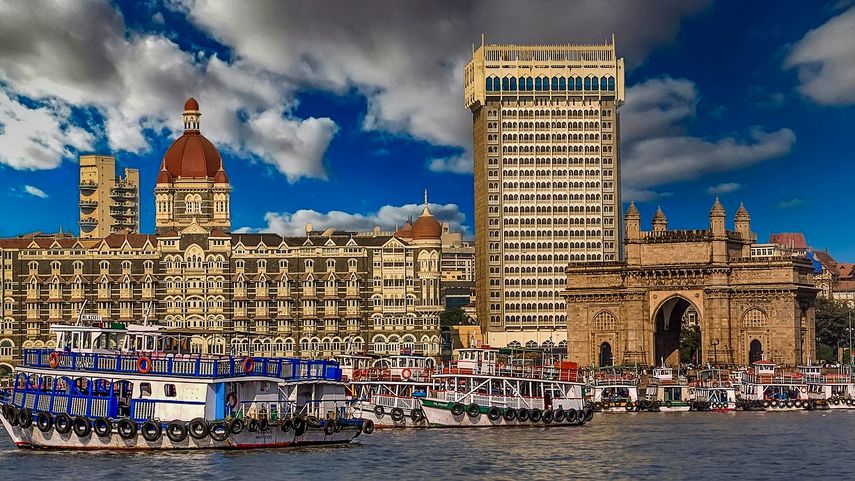
However, there are places like the state of Maharashtra, where Mumbai is the financial capital and the most populous city proper of India with an estimated population of 22 million.
Yes, Maharashtra has several places that attract national and international tourists. The most popular are Mumbai city, Ajanta, Ellora caves and the Nature reserves in the state.
Ajanta–Ellora are UNESCO World Heritage Sites. Mumbai, being the biggest and the most cosmopolitan city in India, attracts millions of travelers for its many attractions including colonial architecture, beaches, shopping, an active nightlife, and the very famous Hindi cinema studios, popularly known as Bollywood.
Here we have Chhatrapati Shivaji Maharaj Museum housed in a domed building that was built in 1914. Often dubbed as one of India’s premier cultural institutions, it showcases a vast collection of artifacts that highlight India’s rich history, art and culture.
Whether you're a history enthusiast, an art lover, or a curious traveler, the museum offers an immersive journey through time that promises an unforgettable experience.
Maharashtra is home to numerous significant temples.
The Shirdi Sai Baba Temple (Shirdi) is a major pilgrimage site for devotees of Sai Baba. This was once the home of the revered spiritual leader, whose teachings of unity, compassion, and faith resonate across religious lines.
Siddhivinayak Temple (Mumbai): A highly revered Ganesha temple. This ancient shrine is a place of worship for finding solace for its devotees and the pilgrims all over the globe.
Mahalakshmi Temple (Kolhapur): It honors the divine female deities. This temple is dedicated to Goddess Mahalakshmi, the divine consort of Lord Vishnu, who is revered as the bestower of wealth, prosperity, and auspiciousness.
Other notable sites include the temples of Pandharpur Vitthal and Dagdusheth Halwai Ganpati, as well as ancient rock-cut caves like Ajanta & Ellora, and power centers like the Tulja Bhavani Temple.
India offers deep spirituality. Here you might find unexpected connections, ranging from navigating challenging cultural differences to heartwarming moments.
Gastronomy
Indian cuisine is a feast of flavors, rich in spices such as turmeric, cumin, coriander, and cardamom, often combined in blends like garam masala for complex flavors, aromas, and colors, with staples including ginger, chili, cinnamon, cloves, and fenugreek, many offering digestive and healing properties.
Let’s keep in mind India is home to over 1.4 billion people, and 29 states, each containing its own unique landscape and customs.
Here we find a variety of regional and traditional cuisines. Given the diversity in soil, climate, culture, ethnic groups, and occupations, these cuisines vary substantially and use locally available ingredients.
While India's cuisine is incredibly diverse, Biryani is widely considered the most popular dish, often called the "king" of Indian foods, beloved for its fragrant spiced rice, meat or vegetables.
Best Time to Visit
The best time to visit India is generally from October to March, offering cool, dry, sunny weather ideal for most regions, but the ideal time varies by destination; head to the Himalayas (Ladakh) in summer (June-Sept) when the plains get hot, and consider the monsoon (June-Sept) for budget travel and lush landscapes, though expect heavy rain.
Language
India is incredibly multilingual, with Hindi and English as official languages, but it recognizes 22 Scheduled Languages like Bengali, Telugu, Marathi, Tamil, and Urdu, reflecting diverse linguistic families and thousands of total languages and dialects.
Where to Stay
India offers a huge range of accommodation from the highest levels of luxury to more basic options, from luxury five-star hotels to boutique hotels, hostels, and Airbnb apartments. Many tour packages include transportation, lodging, and meals.
How to Get There
Several airlines offer direct flights from major U.S. cities to India, including Air India from New York, Chicago, Newark, and San Francisco.
U.S. passport holders need a visa to enter India, but they can get one online (e-Visa) or through an embassy/consulate for longer stays, with options for tourism, business, and medical visits.
All travelers must have a passport valid for at least six months beyond the date of departure from India and at least one blank page.
Travelers with other passports should consult the nearest Indian consulate.
Find more details visit indiatouristoffice.org online.
Currency
The Indian rupee is the official currency and legal tender of the country. Even though the country is a budget friendly destination, follow these tips to save money. DO NOT EXCHANGE MONEY, neither before traveling nor at your destination. Most travelers tend to exchange dollars, ignoring the often-excessive fees they are charged.
It's better to deposit your money in your bank account and use your ATM card as soon as you arrive at your destination. The issuing bank will charge you three or four dollars, but you'll save the exchange fee and get the best international rate available.
You can also use credit cards in stores, restaurants, and hotels.