Toronto is much more than futuristic buildings and a financial machine that generates billions of dollars. The city boasts a rich, multicultural life that invites exploration at every turn.
sábado 24
de
octubre 2026


This Canadian metropolis blends iconic landmarks with vibrant multicultural neighborhoods, offering travelers a rich cultural experience

Toronto, Canadá.
JESÚS HERNÁNDEZ / DLA
Toronto, Canadá.
JESÚS HERNÁNDEZ / DLA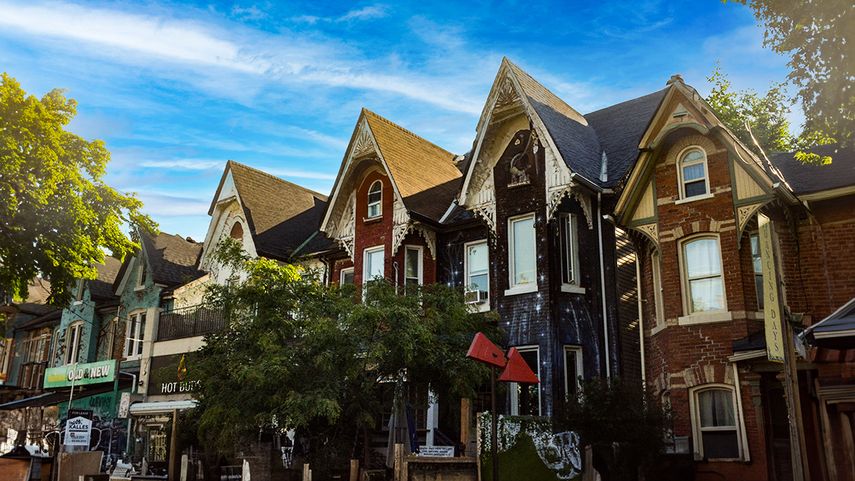
Toronto, Canadá.
JESÚS HERNÁNDEZ / DLA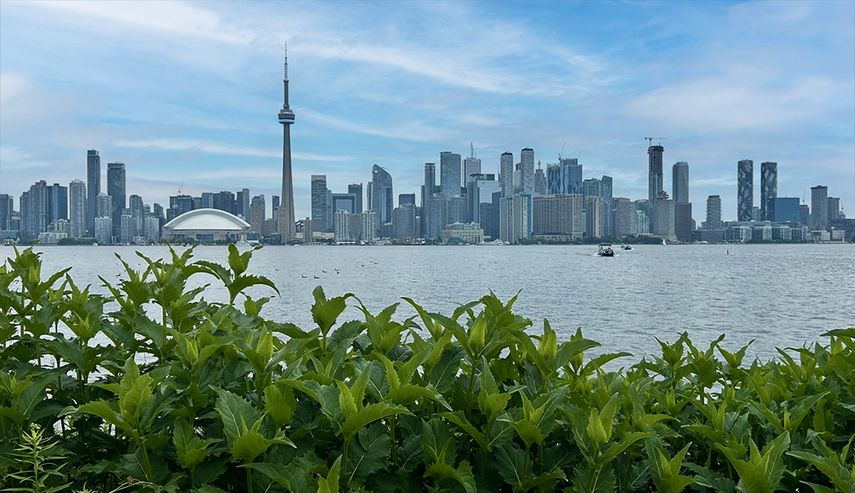
Toronto, Canada.
JESÚS HERNÁNDEZ / DLA
Toronto, Canadá.
JESÚS HERNÁNDEZ / DLA
Toronto, Canada.
JESÚS HERNÁNDEZ / DLA
Toronto, Canada.

Toronto, Canada.

Toronto, Canadá.
JESÚS HERNÁNDEZ / DLA
Toronto, Canadá.
JESÚS HERNÁNDEZ / DLA
Añejo, Toronto, Canada.

Toronto, Canada.

Cubano Kings, Toronto, Canada.
Cubano Kings / Felix King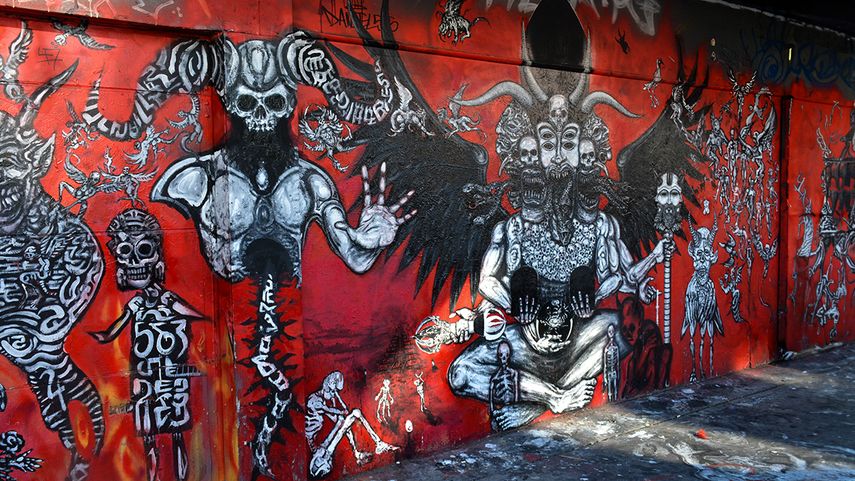
Toronto, Canadá.
JESÚS HERNÁNDEZ / DLA
Toronto, Canada.
JESÚS HERNÁNDEZ / DLA
Toronto, Canadá.
PIXABAY
Toronto, Canadá.
Pexels
Toronto is much more than futuristic buildings and a financial machine that generates billions of dollars. The city boasts a rich, multicultural life that invites exploration at every turn.

Beyond iconic attractions such as the CN Tower, Yonge–Dundas Square, and St. Lawrence Market, Toronto stands out as Canada’s great cultural mosaic, home to nearly three million residents who share their origins. This diversity is reflected in its distinct neighborhoods, ranging from traditional Canadian communities to Chinese, Italian, Korean, and many others. These cultures come together through celebrations like the Caribbean Carnival and the massive Greek festival, Taste of the Danforth.
The city promotes cultural inclusion through initiatives such as the Cultural Hotspot program, which highlights creativity across different communities. Canada, in general, demonstrates strong support for refugees by offering training in its official languages to foster social integration. “I arrived in Canada as a kid in 1975, and I’ve felt at home ever since,” says Tsering, a retail associate at Tibetan Boutique, whose family fled the Chinese occupation of Tibet.
Cultures
A walk through Toronto reveals a remarkably diverse food scene—from Ethiopian to Mexican—alongside a thriving arts community, an international music scene, and even a unique local slang known as MTE, born from the city’s multicultural roots.
Take Kensington Market, for example, a designated National Historic Site of Canada. This vibrant, bohemian neighborhood is known for its eclectic mix of vintage shops, indie boutiques, international grocers, street art, and diverse cafés and restaurants. Cultures from across the globe converge here, with Tibetan, Ethiopian, Hindu, and countless other influences filling the air with spices, incense, and vivid colors that stimulate every sense.
In Kensington Market, you can admire Tibetan art and African or Caribbean crafts on the same block. Located just west of downtown, the area offers a highly walkable experience, complete with colorful Victorian houses, art galleries, and outstanding international cuisine.
Eats
If you don’t have a local guide, one of the best ways to experience the neighborhood is through a food tour. These tours showcase local businesses, offering tastings from multiple restaurants and shops while providing insight into the area’s history. Here, Montreal- and New York–style bagels compete for attention, alongside Latin empanadas filled with beef, chicken, or vegetables, and delicious Swedish pastries.
One must-visit stop is Tibet Café & Bar, an Asian fusion restaurant specializing in Tibetan cuisine. The menu is both vegetarian- and meat-friendly. Be sure to try the dumplings and the butter tea—both are truly unique.
Since many businesses are family-owned, it’s best to visit during regular hours, typically between 11 a.m. and 7 p.m. For Cuban sandwiches, pastries, and croquettes, head to Cubano Kings on Spadina Avenue. Recipient of the Canadian Choice Award, this spot is ideal for sampling flavors that are still relatively unknown in the city.
Check out the DestinationToronto.com website, available in several languages, for information on accommodations, amenities, and much more.
Transportation
Toronto has an extensive public transportation network, including subways, modern streetcars, and buses, making it easy to get around. However, walking remains one of the best ways to explore the city. Taxis and rideshare services such as Uber and Lyft are widely available, along with Hopp (by Bolt) and the Canadian-based HOVR.
How to Get There
Several airlines serve Toronto from Miami and other major cities, with Air Canada offering multiple daily flights and the experience of flying with Canada’s national carrier. U.S. passport holders do not need a visa, but travelers from other countries should check with a Canadian consular office for entry requirements.
Where to Stay
Toronto offers a wide range of accommodations, from luxury hotels to guesthouses and apartment rentals, suitable for all budgets. Downtown is home to well-known hotels such as the Toronto Hilton, located steps from many of the city’s most iconic landmarks. For more information on accommodations and amenities, visit DestinationToronto.com, available in multiple languages.
Saving Money
The Canadian dollar is the country’s official currency. The exchange rate typically fluctuates around 1.35 to the U.S. dollar, depending on market conditions and interest rates. To save money, avoid exchanging cash before or during your trip, as exchange services often charge high fees.
Instead, deposit your funds in your bank account and use your ATM card upon arrival. While your bank may charge a small fee, you’ll usually receive a better exchange rate. Credit cards are also widely accepted in stores, restaurants, and hotels throughout the city.
Descarga LA APP