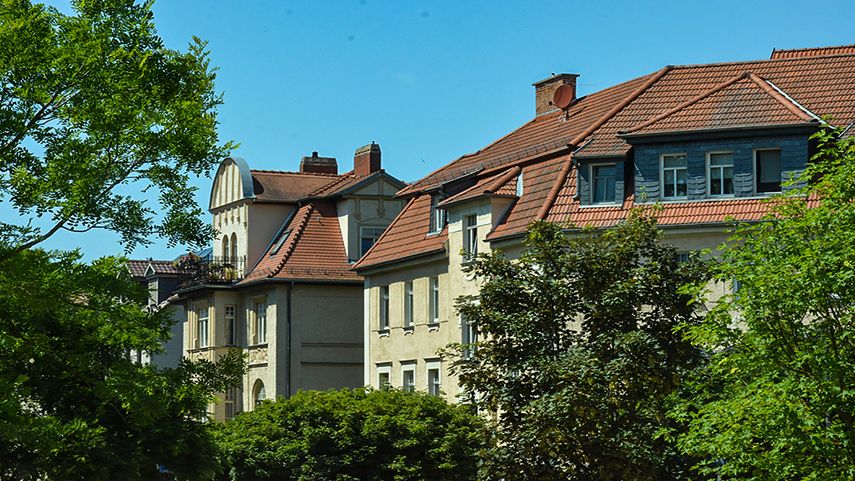
As morning light washes over the rooftops of Weimar, the city awakens slowly, revealing a place where history, literature, music and modern architecture exist in quiet harmony.
martes 13
de
octubre 2026


Few places in Germany offer such a rewarding journey through the country's artistic and intellectual heritage
Weimar, Alemania.
JESÚS HERNÁNDEZ / DLA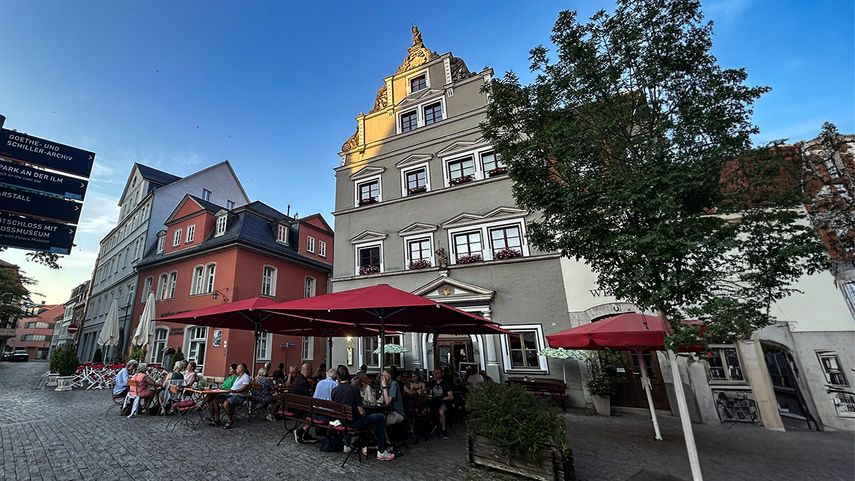
Weimar, Alemania.
JESÚS HERNÁNDEZ / DLA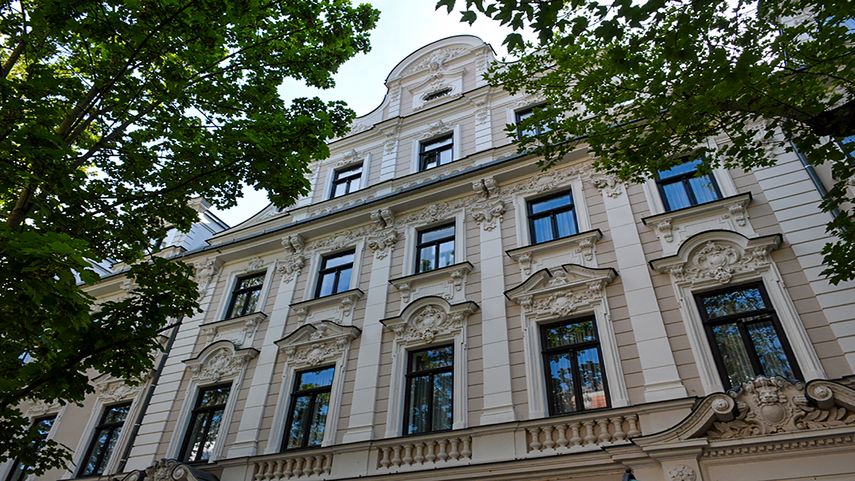
Weimar, Alemania.
Weimar, Alemania.
JESÚS HERNÁNDEZ / DLA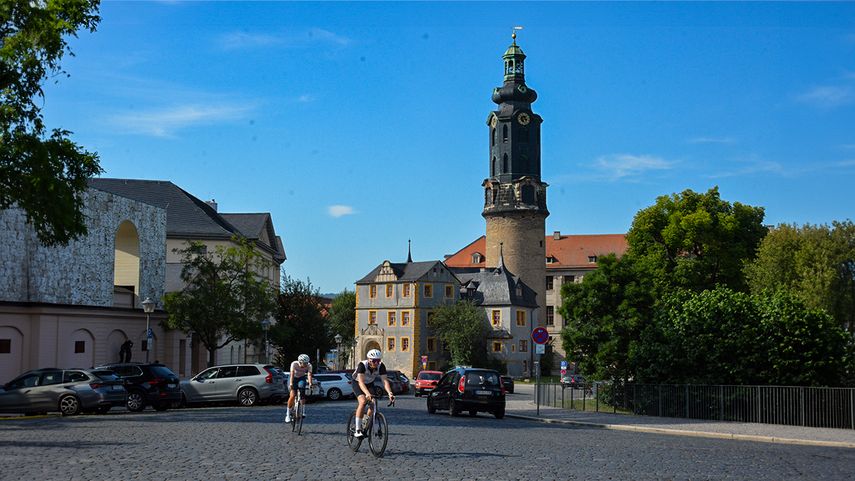
Weimar, Alemania.
Weimar, Alemania.
Weimar, Alemania.
Weimar, Alemania.
Weimar, Alemania.
Weimar, Alemania.
Weimar, Alemania.
JESÚS HERNÁNDEZ / DLA
Weimar, Alemania.
Weimar, Alemania.
Weimar, Alemania.
Weimar, Alemania.
Weimar, Alemania.
Weimar, Alemania.
Weimar, Alemania.
Weimar, Alemania.
Weimar, Alemania.
Weimar, Alemania.
Weimar, Alemania.
Weimar, Alemania.
Weimar, Alemania.
Weimar, Alemania.
Weimar, Alemania.
Weimar, Alemania.
Weimar, Alemania.

As morning light washes over the rooftops of Weimar, the city awakens slowly, revealing a place where history, literature, music and modern architecture exist in quiet harmony.

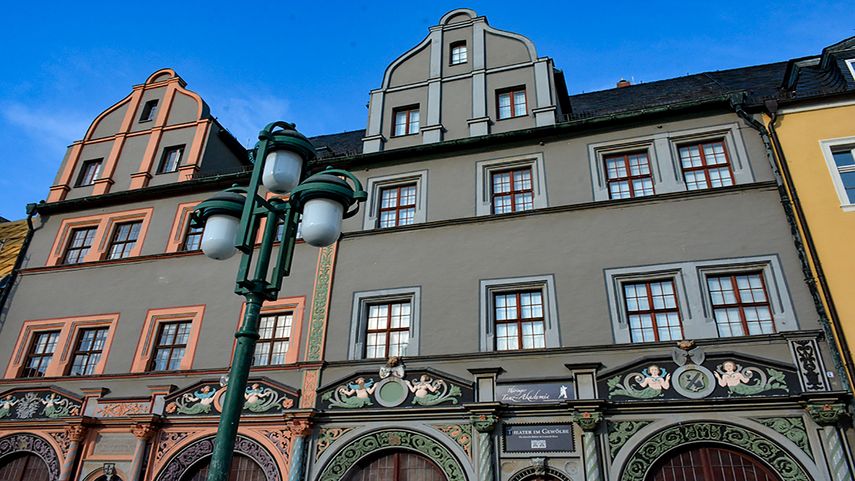
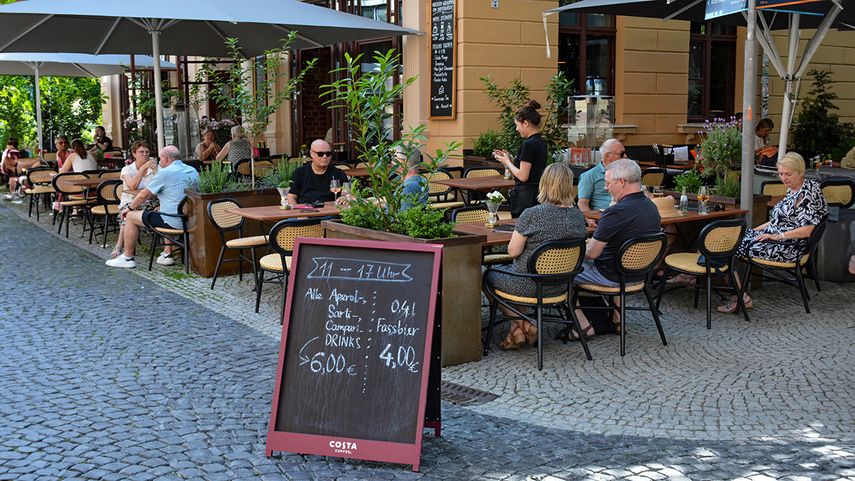
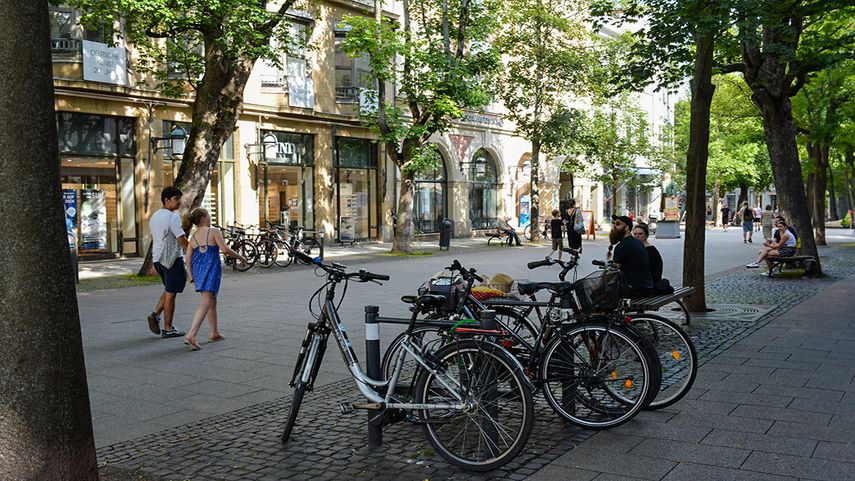
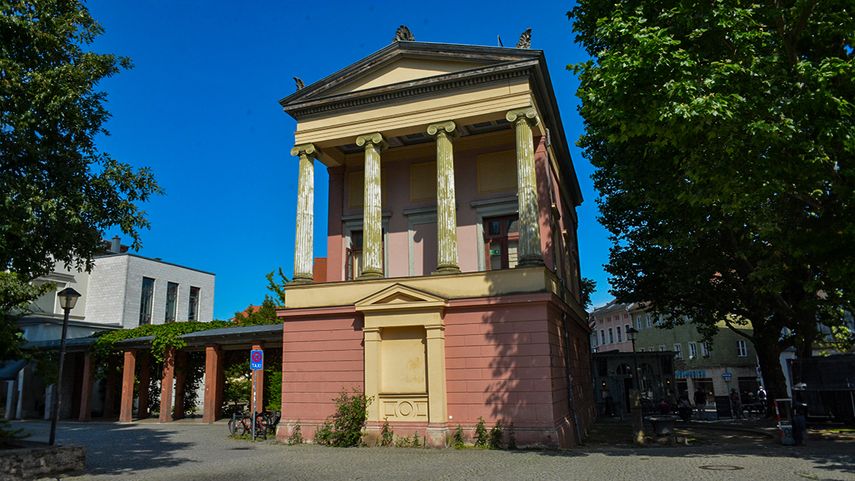
Walking through the old town felt like stepping into a beautifully preserved chapter of German history. Elegant Baroque buildings line narrow cobblestone streets, while colorful townhouses frame peaceful squares where cafés serve fresh bread and strong coffee to the morning crowd. Graceful façades, flower-filled balconies and centuries-old churches create an atmosphere that is both refined and welcoming.
Few cities have shaped European culture as profoundly as Weimar. During the late eighteenth and early nineteenth centuries, it became the heart of German Classicism, inspiring writers, philosophers, composers and artists who transformed the small duchy into one of Europe's leading cultural centers.
In 1919, Germany's first democratic constitution was drafted here, giving birth to the Weimar Republic and forever linking the city's name to a defining chapter of modern German history.
While enjoying a glass of Helles beer at a local bar, Otto, a local tour expert who grew up in Weimar, then East Germany, recalled how pollution from nearby industries once blackened the city's buildings.
"Everything was gray," he remembered. "After German reunification, the facades were cleaned and restored. Now you can finally see the colors."
Today, Otto looks proudly at the city where he was born and raised. “I can't imagine living anywhere else,” he says with a smile
Enjoy the video recap about Weimar here.
Bauhaus
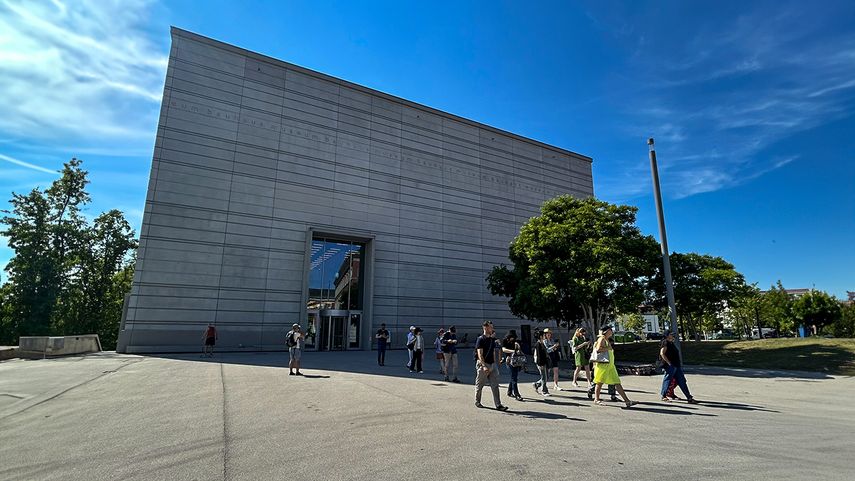
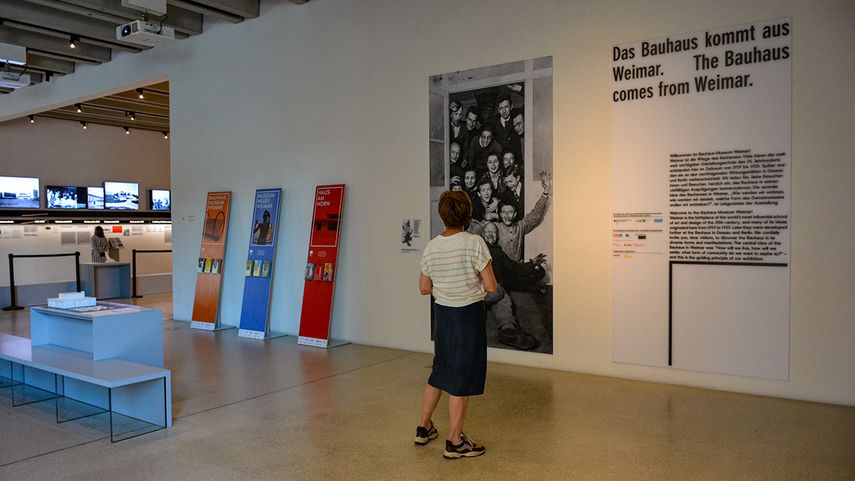
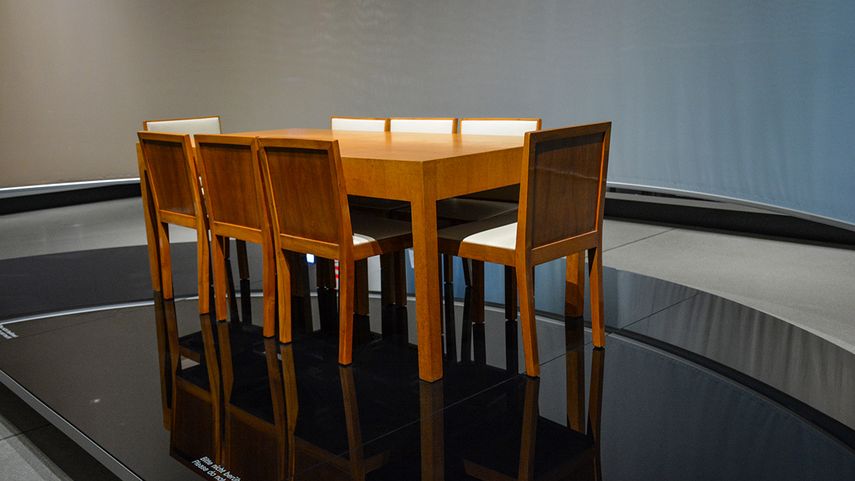
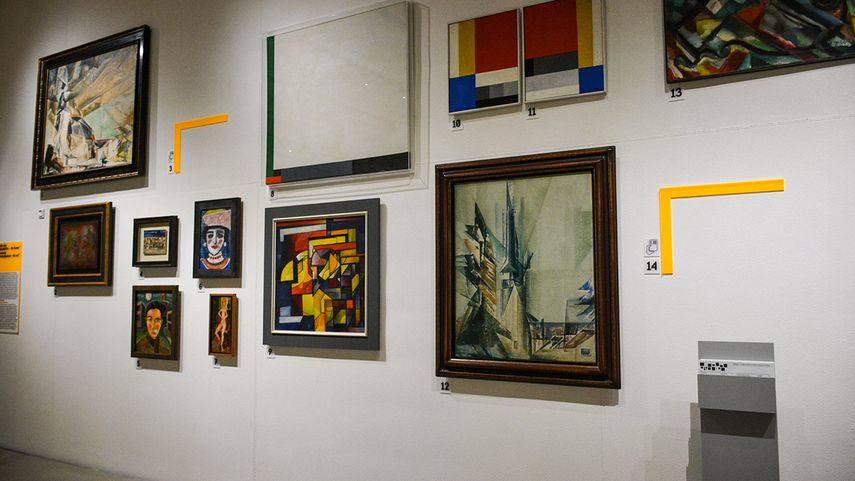
No visit to Weimar is complete without stopping at the Bauhaus Museum Weimar. Its modern glass-and-concrete design contrasts sharply with the surrounding classical architecture. Inside, the museum traces the story of one of the world's most influential design movements.
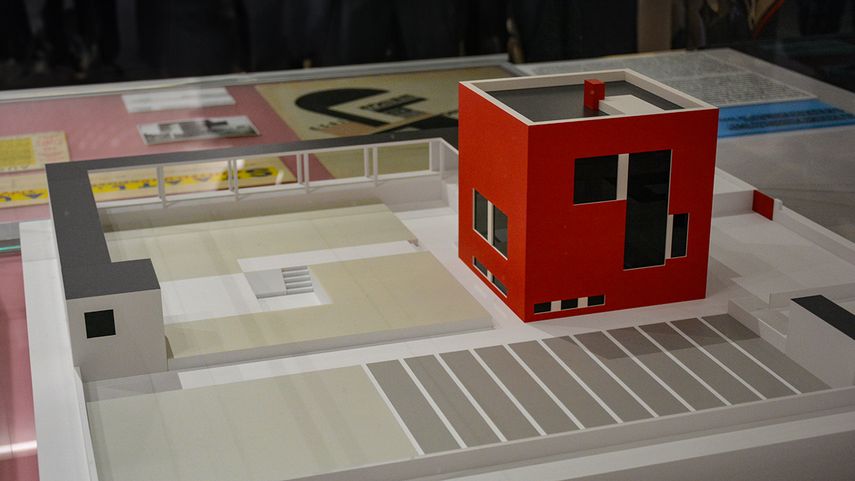
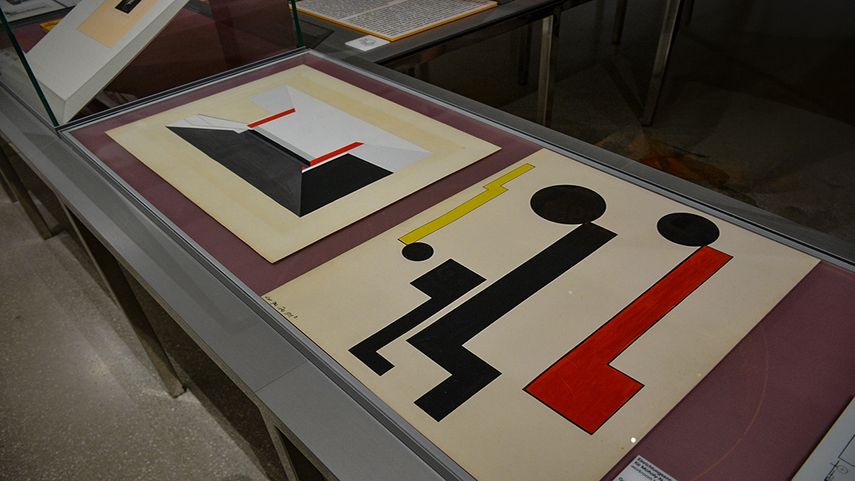
Founded in Weimar in 1919 by architect Walter Gropius, the Bauhaus embraced the revolutionary idea that art, craftsmanship, engineering and architecture should work together. Walking through the galleries, we admired minimalist furniture, geometric lighting, textiles, ceramics, typography and architectural drawings that continue to influence designers around the world. The exhibits illustrate how simplicity and functionality became defining principles of modern design.
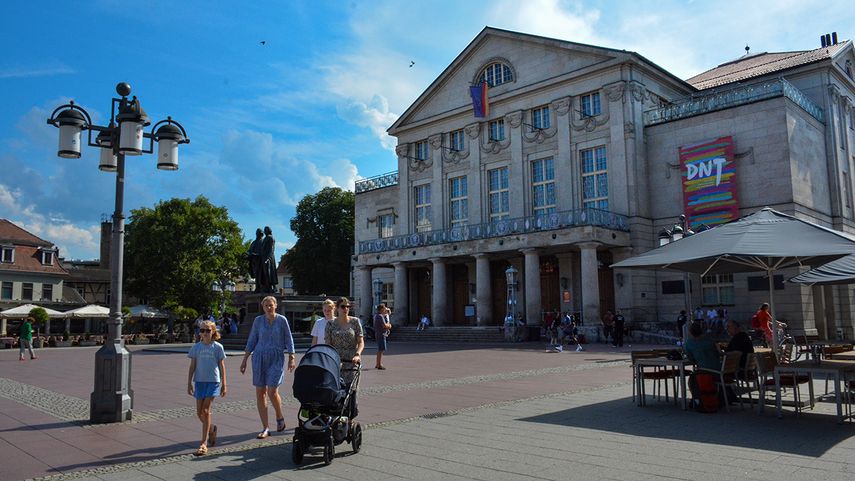
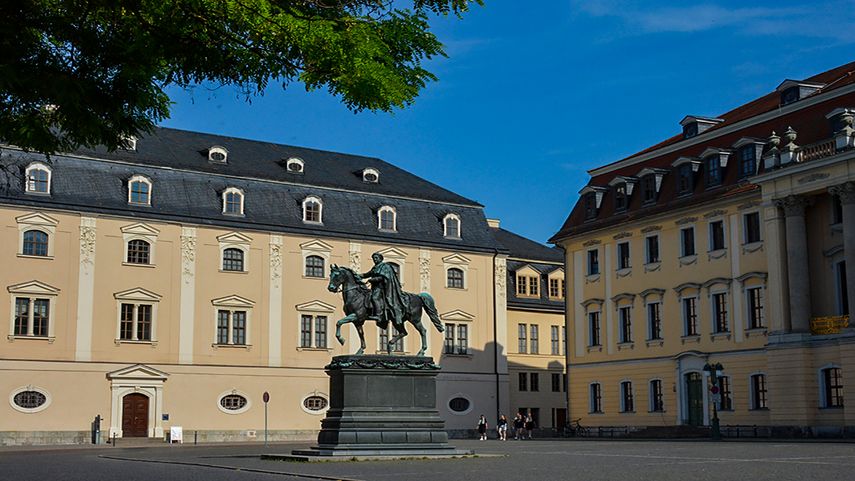
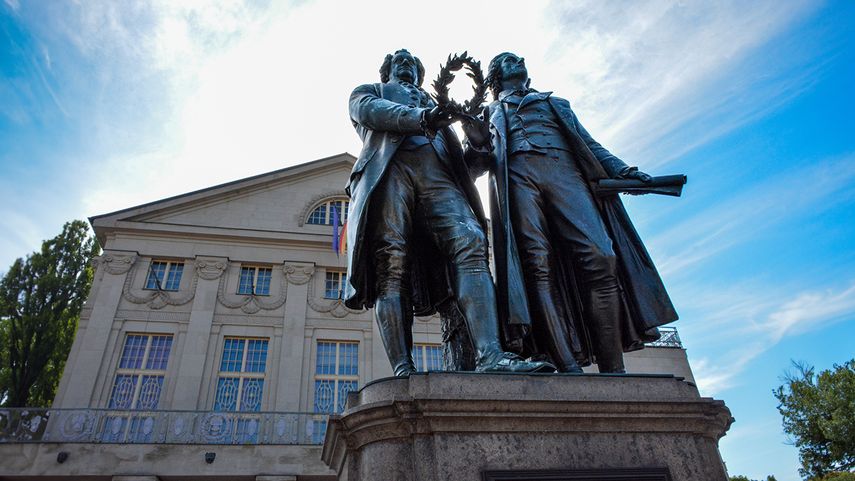
From the museum, it is an easy walk to Theaterplatz, where cafés, restaurants and shops surround one of the city's most recognizable landmarks: the Goethe-Schiller Monument, standing proudly before the German National Theatre.
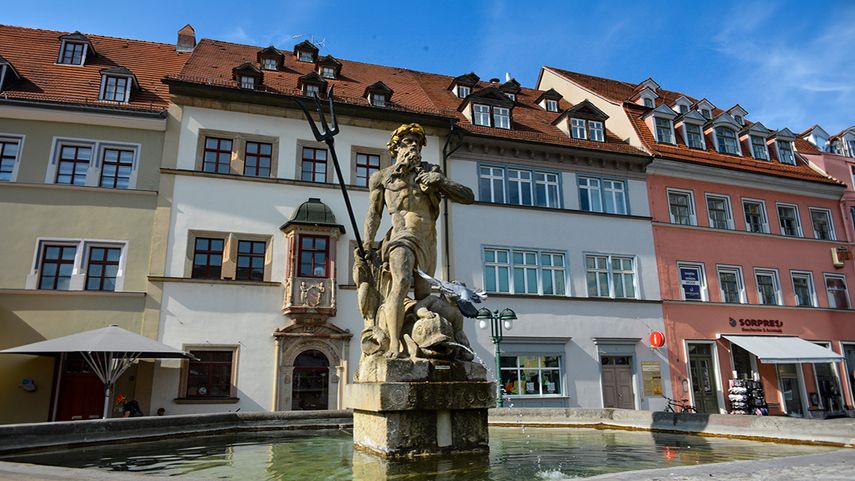
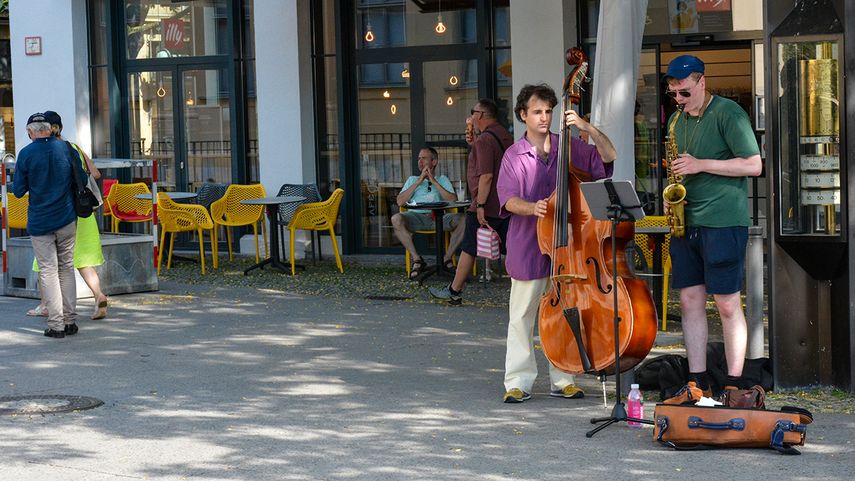
A few minutes away the Market Square (Markt) has marked Weimar's historic heart since the Middle Ages. Framed by pastel-colored townhouses and the neoclassical City Hall, the square buzzes with local life. Street musicians entertain visitors while children chase pigeons across the cobblestones. Boutique shops display handcrafted ceramics, books and regional artwork, and nearby bakeries tempt passersby with slices of apple cake and freshly baked pretzels.
Just around the corner stands Weimar City Castle (Stadtschloss), whose distinctive clock tower overlooks the Ilm River. Rebuilt after a devastating fire in the late eighteenth century, the palace served for centuries as the residence of the dukes of Saxe-Weimar-Eisenach and was closely associated with Johann Wolfgang von Goethe during his years in public service.
Park an der Ilm
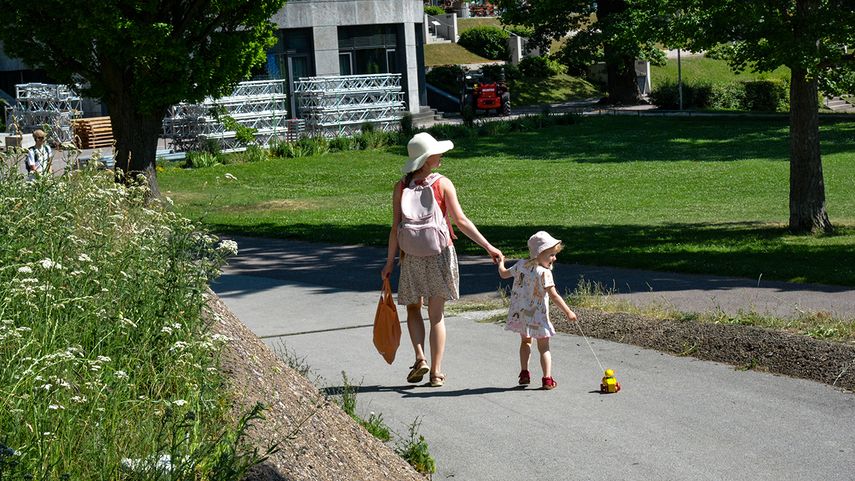
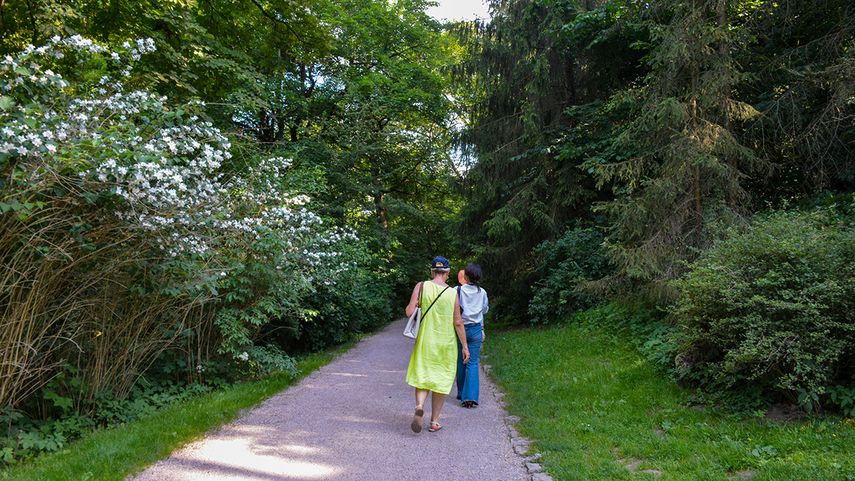
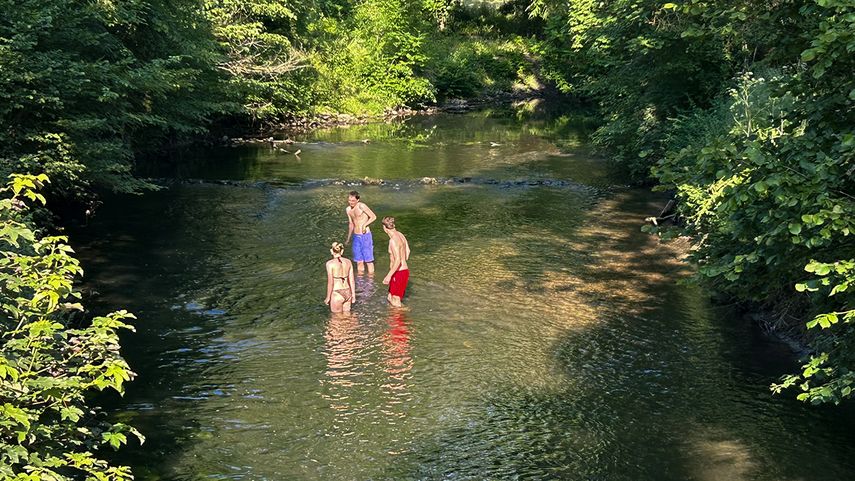
One of Weimar's most peaceful retreats is Park an der Ilm, a sprawling landscape park stretching along the gentle banks of the Ilm River. Designed in the late eighteenth century, it reflects the ideal of harmony between nature and art. Footpaths wind beneath towering oak, beech and chestnut trees, crossing graceful stone bridges and open meadows, where wildflowers bloom from spring through autumn.
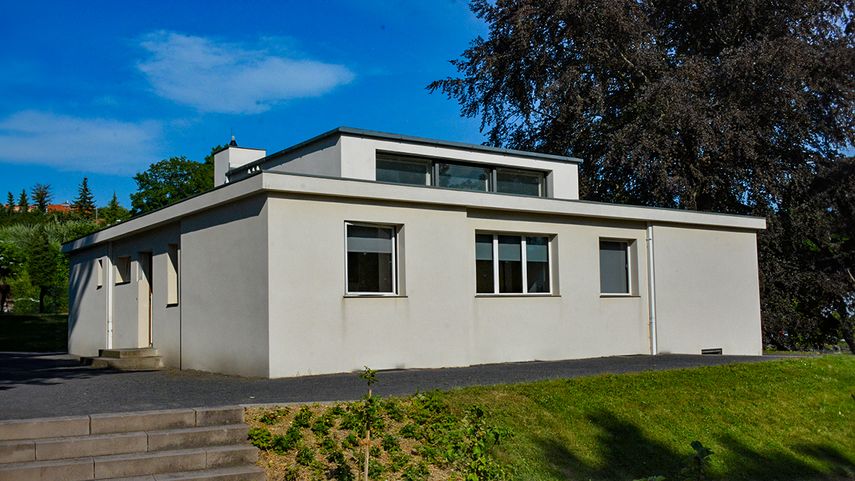
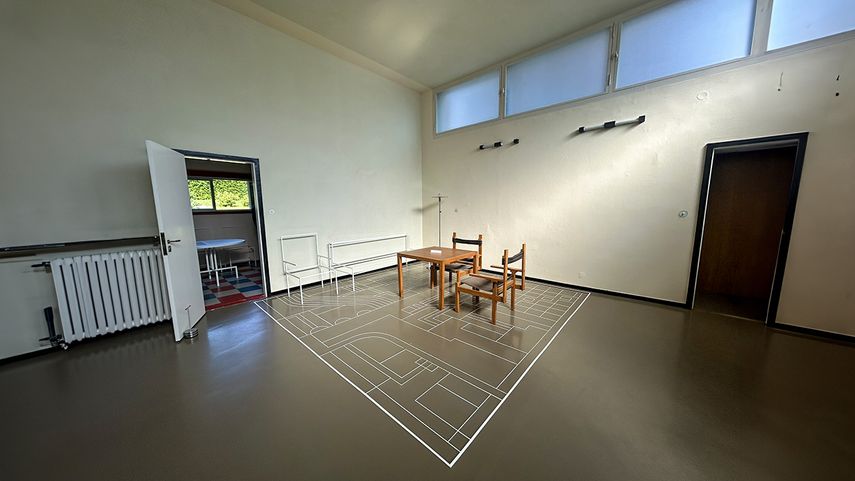
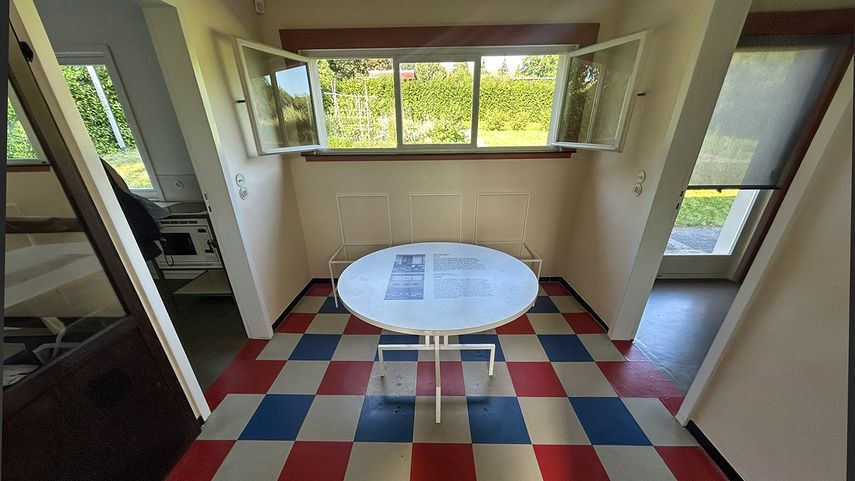
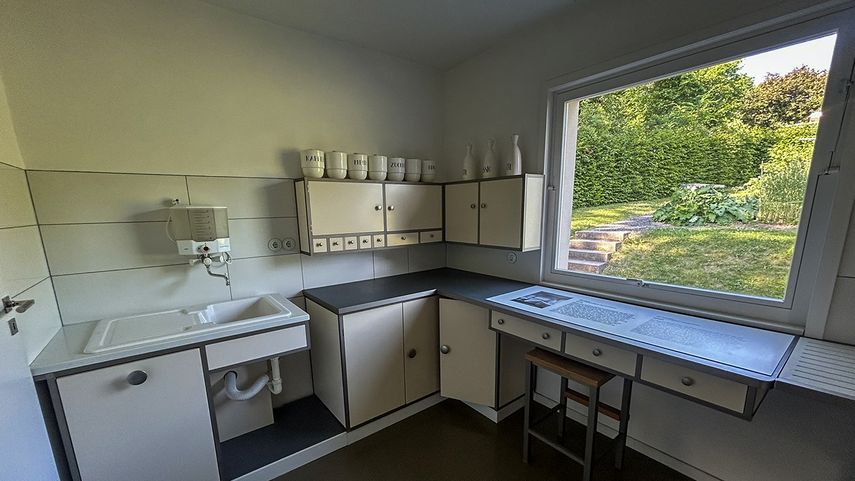
Nestled within this serene landscape is Haus am Horn, the first building constructed entirely according to Bauhaus principles. Surrounded by greenery, the modest white house blends naturally with its surroundings. Its clean geometric lines and functional design create a striking contrast with the romantic park while demonstrating the Bauhaus belief that architecture should enhance everyday life.
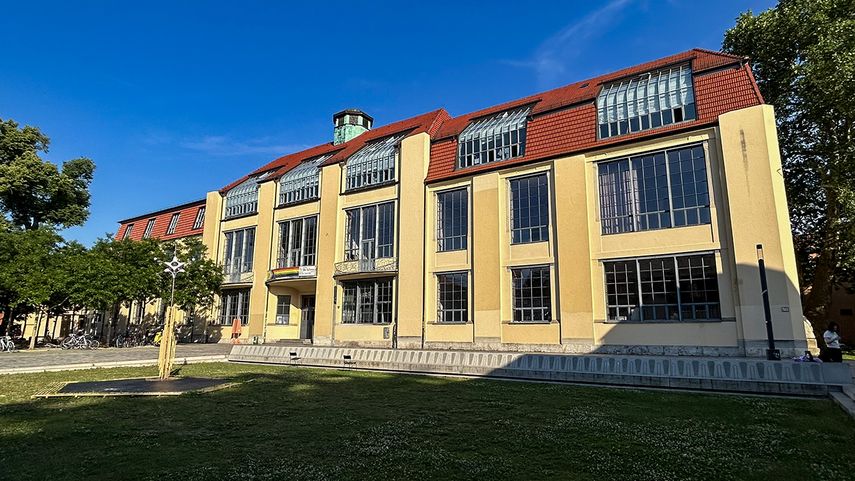
After leaving the park, visitors may also wish to stop at Bauhaus University Weimar, one of Germany's leading institutions for architecture, design, engineering and the arts, continuing the creative legacy that began here more than a century ago.
As evening settles over Weimar, it becomes clear that the city's greatest attraction is not a single monument but the remarkable way history, culture and innovation remain woven into everyday life. Few places in Germany offer such a rewarding journey through the country's artistic and intellectual heritage.
Getting There
Several airlines offer connecting flights to either Frankfurt or Berlin, where you can take a train to Weimar.
Citizens of the United States do not need a visa for stays of up to 90 days.
Language
German is the country's official language, although English is widely spoken.
Where to stay
Weimar offers a wide range of accommodation, from boutique hotels to modern business hotels and charming guesthouses.
Currency
The official currency is the Euro, which trades around 0.87 per U.S. dollar.
Using ATMs or credit cards is recommended to minimize exchange fees.
Descarga LA APP