Nashville grew from a foundation built on music, which has long been the common thread connecting the soul of the city, its people, and its visitors. A walk through its streets is enough to understand why. Bars, clubs, and theaters line the avenues—places where now-famous artists once built their careers in iconic venues such as the Broadway honky-tonks, the Ryman Auditorium, and the Grand Ole Opry.
One of the city’s most famous landmarks is the Ryman Auditorium. This historic 2,362-seat venue was built in 1892 by riverboat captain Tom Ryman and was originally called the Union Gospel Tabernacle. One of the first musical performances held there was by the Fisk Jubilee Singers. After Captain Ryman’s death in 1904, the building was renamed in his honor.
In 1925, radio station WSM launched the broadcast of the legendary weekly country music show, the Grand Ole Opry. During the Great Depression, Nashville continued to thrive musically, with nightclubs along Jefferson Street hosting rhythm and blues, jazz, and popular orchestras. Legendary artists such as Jimi Hendrix and Etta James performed in these clubs, cementing Nashville’s reputation as a major center for R&B.
Today, the Grand Ole Opry radio show airs every Saturday night from the Grand Ole Opry House, located on the outskirts of Nashville. While it was originally dedicated exclusively to country music, the venue now hosts a wide range of musical events. From Tuesday through Sunday, the 4,000-seat auditorium welcomes performers from pop and rock to soul, blues, and even Latin music.
Meanwhile, the Ryman Auditorium has hosted an extraordinary list of artists over the decades, including Louis Armstrong, Nat King Cole, Johnny Cash, Elvis Presley, Bruce Springsteen, and Taylor Swift. Other notable performers include Garth Brooks, Paul Simon, Foo Fighters, James Brown, and Robert Plant. The Ryman is also open for daily tours, allowing visitors to stand on its legendary stage, watch a film about its history, and explore memorabilia from its storied past.
Legacy
Nashville has become a hub for an impressive range of music genres, including pop, rock, bluegrass, Americana, jazz, classical, contemporary Christian, blues, and soul. Street singers, local musicians, and even kids drumming on buckets add to the city’s vibrant soundscape.
“Nashville has long been known for welcoming songwriters to learn and share their work,” said John Parker, an attendant at the famous Bluebird Café. In this intimate venue, songwriters perform original music while sharing the stories behind their songs.
The Nashville Songwriters Association International (NSAI), headquartered in the city, supports the art of songwriting and works to protect artists’ rights. Each year, the Tin Pan South Songwriters Festival showcases more than 300 performers across multiple venues over five days.
Another major attraction is the Country Music Hall of Fame, which offers not only exhibits but also concerts and lectures. Music lovers can explore even more at the Musicians Hall of Fame & Museum, where exhibits tell the stories of legendary performers across genres.
Nashville is also deeply connected to gospel music. The television series Bobby Jones Gospel aired on Black Entertainment Television and became cable’s longest-running program before ending in 2017. Additionally, the National Museum of African American Music highlights how African musical roots influenced the development of soul, blues, and gospel in America.
Check out the video roundup about Nashville we’ve included here.
365 Days a Year
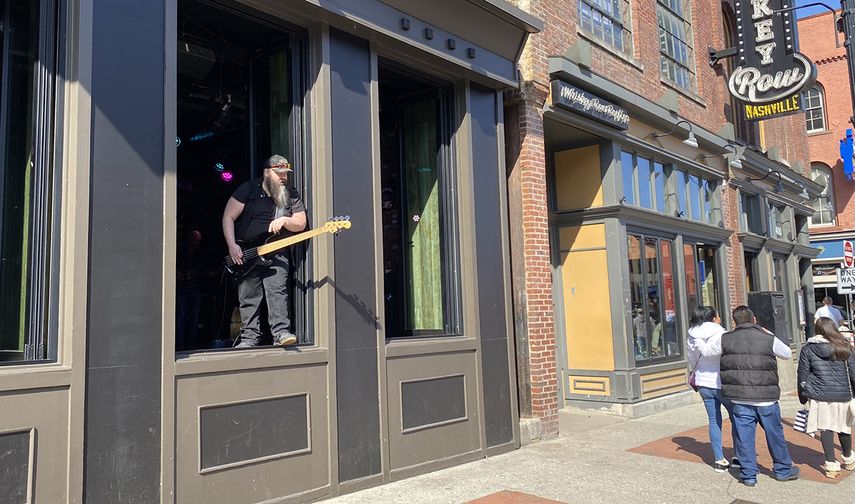
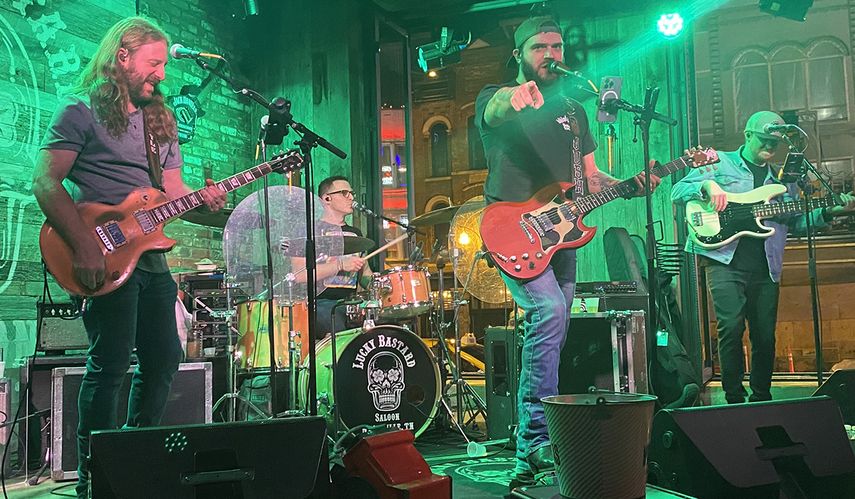
Live music can be heard every day and night of the week in Nashville, especially along Broadway, where famous honky-tonks offer free live performances from 10 a.m., 365 days a year. With more than 180 live music venues—from large arenas and concert halls to small clubs—the city truly lives up to its nickname, “Music City.”
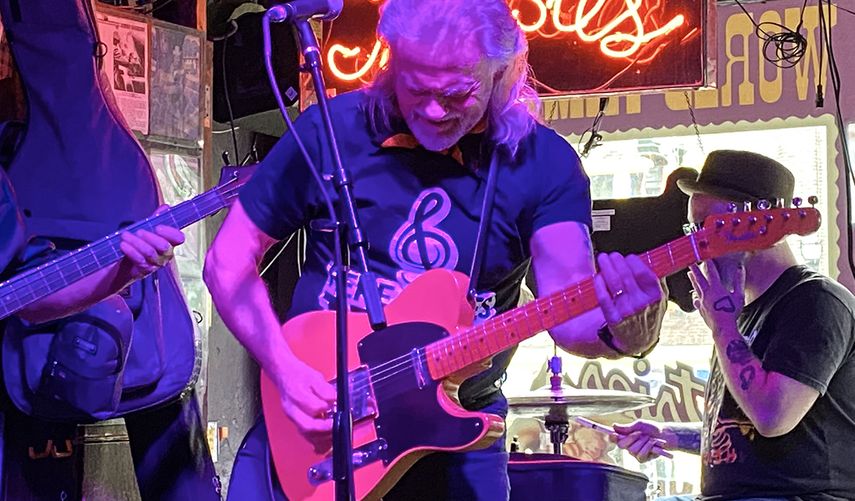
Visitors are encouraged to explore Broadway, hopping from bar to bar to hear the countless musicians whose sounds echo through the streets amid sips of beer and whiskey, and good eats. Tootsie’s Orchid Lounge is one of the most iconic spots, where Willie Nelson once worked cleaning floors and where famous artists have performed. Admission is free, tips are optional, and performers often mingle with friends and fans. Many of these musicians dream of being discovered, just as Roy Orbison, Willie Nelson, and Dolly Parton once were.
Rob Thomas has a way with the guitar that makes you wonder how his fingers move so fast and so effortlessly. Last year, he left Florida behind and headed to Nashville, chasing a dream and “looking to be discovered.”
On the streets of Music City, producers from major recording companies stroll by, always on the lookout for fresh talent to sign.
“I play with different bands—rock, blues, country—whatever comes my way,” Rob says, a hint of hope in his voice: “I just want to hit it big someday.”
More information is available online at Visit Music City.
How to Get There
Nashville is served by a modern and convenient airport located just 20 minutes from downtown. Nashville International Airport (BNA) offers nonstop flights from Miami and many other cities across the United States and Canada, as well as from London, England. The airport is well equipped with restaurants and shops.
Where to Stay
Nashville offers accommodation for every budget. Options range from five-star hotels like the JW Marriott—located just 100 meters from Broadway—to four-star properties such as the Kimpton Aertson Hotel on Music Row. Visitors can also choose from hostels and a wide selection of Airbnb apartments throughout the city.