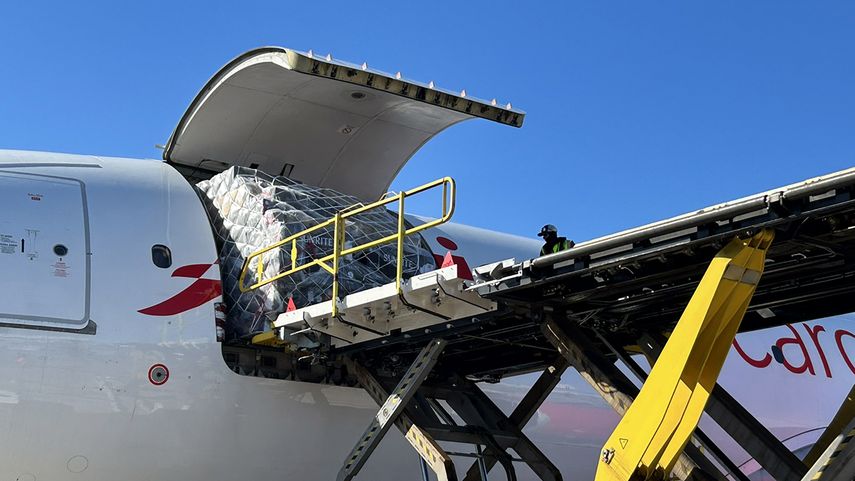
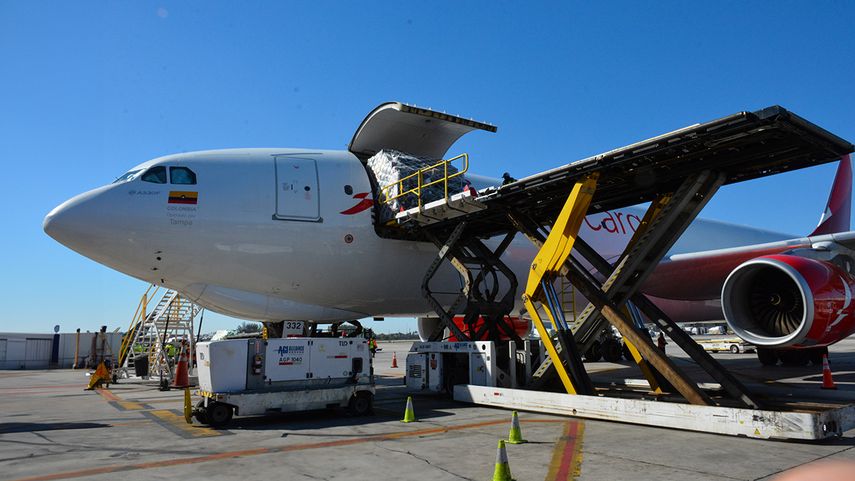
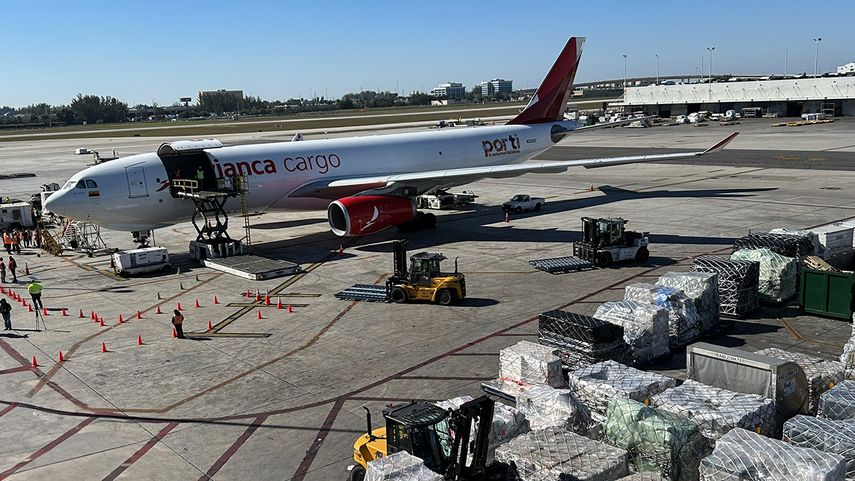
Valentine’s Day season brings a massive influx of flowers to Miami International Airport (MIA) each year, with Avianca Cargo leading operations from Colombia and Ecuador, transporting more than 19,000 tons of flowers from both countries.
“For the 2026 Valentine’s Day season, we strengthened our operation to deliver the capacity, reliability, and consistency our customers depend on during the industry’s most critical peak,” said Diogo Elias, CEO of Avianca Cargo, noting a 6% growth compared with the previous year.
Following a complex process that takes months and requires dedication, thousands of farmers, inspectors, and transporters make the shipment of this prized product possible.
“By doubling our cargo capacity, operating a joint freighter fleet across the Americas, and reinforcing key lanes to the United States, we were able to reach the market efficiently and at the highest quality standards. This performance reflects the dedication of our teams and the strength of our partnerships across the floriculture supply chain,” he emphasized.
Throughout the season, Avianca Cargo operated nearly 320 cargo flights, transporting more than 19,000 tons of flowers to key hubs such as Miami.
“Every year during Valentine’s Day, we process about 1,500 tons of cut flowers per day at MIA, which is a huge number,” said Ralph Cutié, Director and Chief Executive Officer of the Miami-Dade Aviation Department and Director of MIA. “Annually, about 91% of all the flowers that enter the United States come through our airport.”
He added, “We move approximately 400,000 tons of flowers at MIA every year. That’s a huge part of our operation and why we are the number one airport for processing flowers in the country and the fifth largest in the world.”
Please, watch the video recap we have included here.
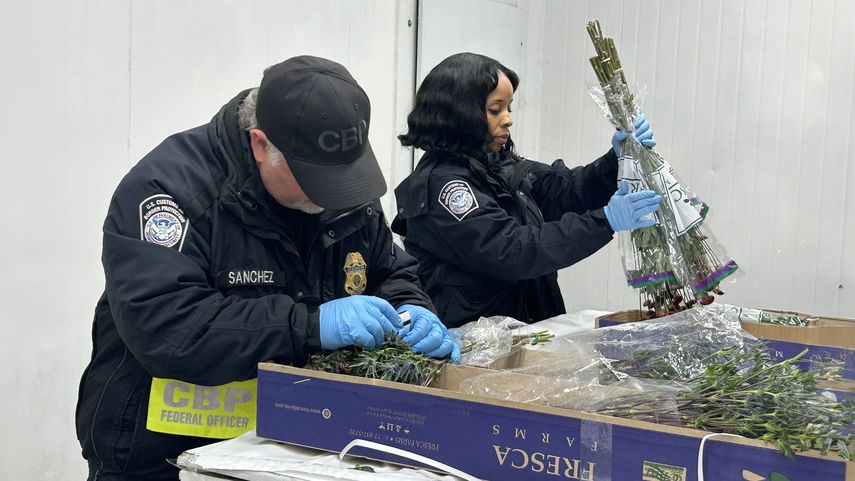
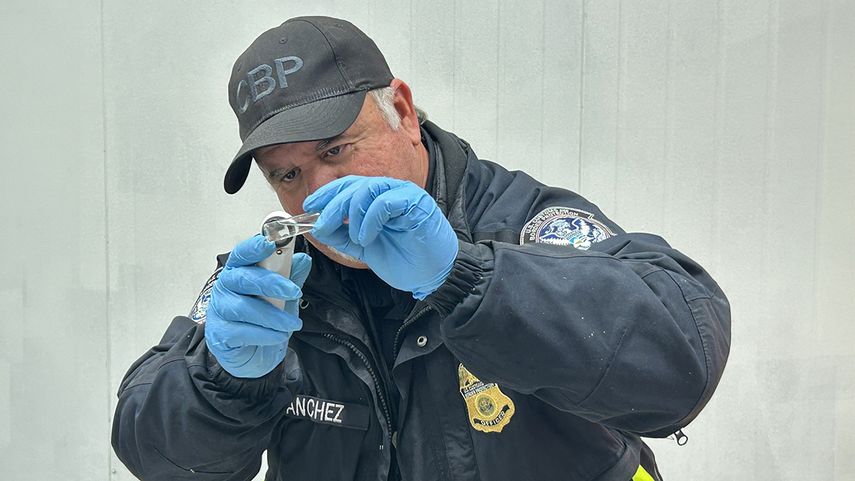
Once in Miami, shipments of flowers undergo their final inspection under the authority of U.S. Customs and Border Protection’s Agriculture division.
“We are the only airport in the United States with customs inspection services operating 24 hours a day,” said Dimitrios “Jimmy” Nares, Chief of Aviation Marketing at Miami International Airport. “About 91% of the flowers imported into the United States by air arrive here, with Colombia supplying 73% of them.”
U.S. agriculture agents carefully inspect samples of flower bouquets to confirm the absence of insects, as indicated in the Colombian shipping documentation.
“Even if we find a small pest egg, the shipment will be placed on hold for further inspection and possible treatment before it can move forward,” explained agriculture agent Claudia.
Once approved, the cargo is transferred to another cold-storage facility and then loaded onto trucks for distribution or onto other aircraft for transport to cities across the United States.
“This process provides around 6,000 jobs in Miami and supports nearly 200,000 jobs nationwide that depend on the importation of fresh flowers,” Nares said.
“Thanks to teamwork with airlines like Avianca and our federal partners, love is truly in the air, with 91% of our nation’s flowers coming through MIA every year,” commented Miami-Dade County Mayor Daniella Levine Cava.
“Our airport continues to climb in cargo traffic, marking a sixth consecutive year of record-breaking cargo growth,” she emphasized.